There’s a specific kind of calm that only happens when a trip starts well.
Not because everything goes perfectly — delays still exist, coffee still spills, weather still does whatever it wants — but because you packed like someone who knows themselves. Someone who understands how they move through the world, what irritates them, what comforts them, and what makes a journey feel lighter instead of heavier.
Travel essentials aren’t about being prepared for every possible scenario. They’re about reducing friction. About removing small annoyances before they have a chance to grow teeth.
After years of traveling — sometimes obsessively planned, sometimes completely impulsive — I’ve realized that the difference between a stressful trip and a smooth one rarely comes down to the destination. It comes down to what’s in your bag.
Packing as Self-Knowledge
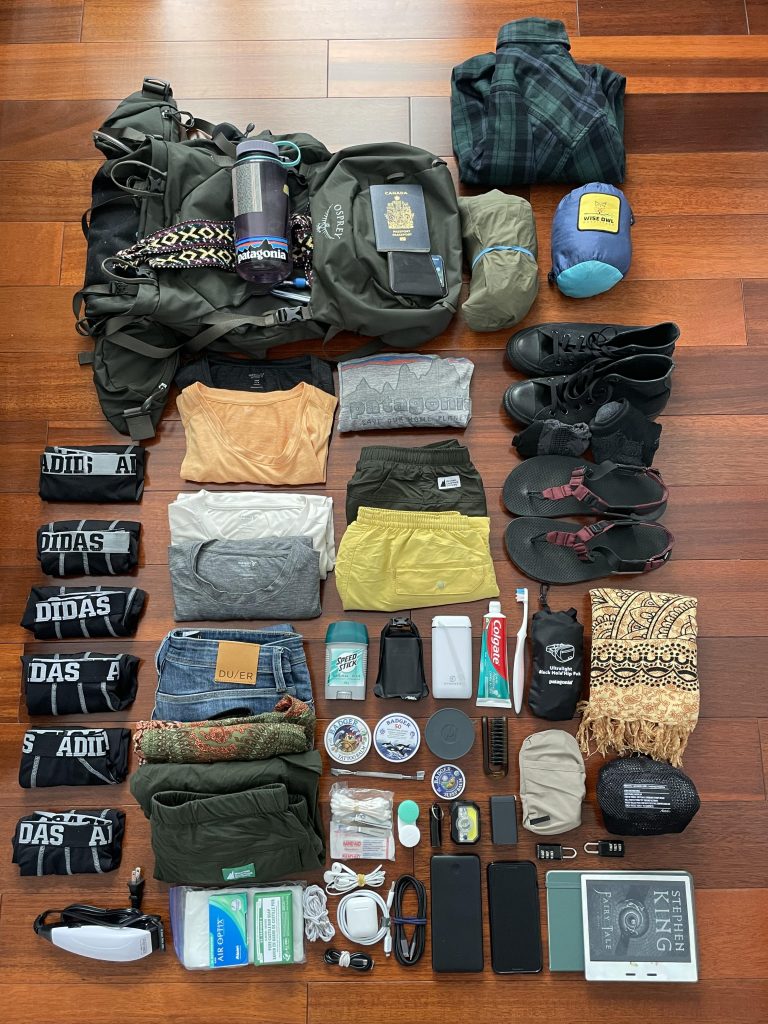
There’s a cultural myth around packing “light” as a moral virtue. The fewer items you bring, the more evolved you are as a traveler. But in reality, the most seasoned travelers aren’t minimalists — they’re editors.
They don’t bring less. They bring better.
They know which objects earn their place. Which items quietly improve the experience instead of just taking up space. And most importantly, they know what makes them feel grounded when they’re far from home.
That’s what this list is really about.
Not what you should bring, but what consistently proves its value once you’re moving through airports, train stations, unfamiliar streets, and temporary lives.
The Non-Negotiables: Documents, But Make Them Functional
Let’s start with the obvious: documents.
Passports, IDs, boarding passes — they’re boring until they’re not. The moment you can’t find them, your entire nervous system lights up.
That’s why the way you carry these items matters more than people like to admit.
A passport holder isn’t about aesthetics (although, yes, aesthetics help). It’s about creating a dedicated home for the most important object you’re carrying. When your passport always lives in the same place, you stop checking for it every five minutes.
The best passport cases strike a balance between structure and softness. Something that protects without being bulky. Something that feels intentional when you pull it out, especially at borders where confidence — even performative confidence — goes a long way.
Personalization, while not essential, adds a subtle psychological benefit. When something looks unmistakably yours, you handle it with more care. You’re less likely to misplace it. You’re more aware of it.
And yes, RFID protection isn’t paranoia — it’s simply adapting to how the world works now. Theft doesn’t always look dramatic. Sometimes it’s invisible.
The Quiet Power of a Good Travel Wallet
Your everyday wallet and your travel wallet don’t have to be the same thing.
In fact, they probably shouldn’t be.
When traveling, your wallet becomes a micro-command center. It holds currency you’re not used to, cards you can’t easily replace, and documents that are annoying to lose even at home — let alone abroad.
A good travel wallet is compact, secure, and easy to access without being easy to steal from. Zippers suddenly make sense. Slim profiles matter. Clear organization reduces mental load.
There’s also something to be said for visual simplicity. When you’re navigating unfamiliar environments, the fewer decisions you have to make, the better. Knowing exactly where your cards and cash are — without thinking — is a small luxury that adds up quickly.
Sound as a Form of Control
Headphones are one of the most underrated travel essentials.
Not because of entertainment (although that helps), but because they give you control over your sensory environment.
Travel is loud. Airports hum constantly. Planes buzz. Trains rattle. Public spaces are filled with conversations you didn’t consent to overhear. Headphones create a boundary — a way to retreat without disappearing.
Wireless headphones, in particular, feel almost essential now. No cords to tangle, no awkward fumbling when you need to stand up quickly. Just sound, on your terms.
Battery life matters more than pristine audio quality when you’re in transit. Fast charging matters even more. The best travel headphones aren’t the ones with the most impressive specs — they’re the ones that forgive you for forgetting to charge them.
Comfort Is Not a Luxury — It’s Strategy
One of the biggest mistakes people make when traveling is underestimating how much physical comfort affects emotional resilience.
A slightly uncomfortable seat is tolerable for an hour. For eight hours, it becomes a personality test.
This is where small items quietly save the day: eye masks that actually block light, neck pillows that don’t fight your anatomy, compression socks that prevent that weird post-flight heaviness in your legs.
None of these items are glamorous. But they dramatically change how you arrive somewhere.
Arriving tired but functional is very different from arriving depleted.
The Invisible Essentials: Hygiene, But Elevated
Travel-size toiletries are obvious. Thoughtful hygiene choices are not.
There’s a difference between packing “the basics” and packing items that help you feel like yourself after long hours in transit. A facial mist that refreshes without irritating. Hand cream that absorbs quickly. Lip balm that actually repairs instead of just coating.
These are small rituals that signal care — especially on days when everything feels a bit disjointed.
The same applies to oral care, deodorant, and anything that helps you reset in a bathroom mirror halfway across the world. Familiarity is grounding.
Entertainment Beyond Screens
Yes, phones and tablets exist. But relying on them exclusively is risky — batteries die, eyes get tired, attention spans fracture.
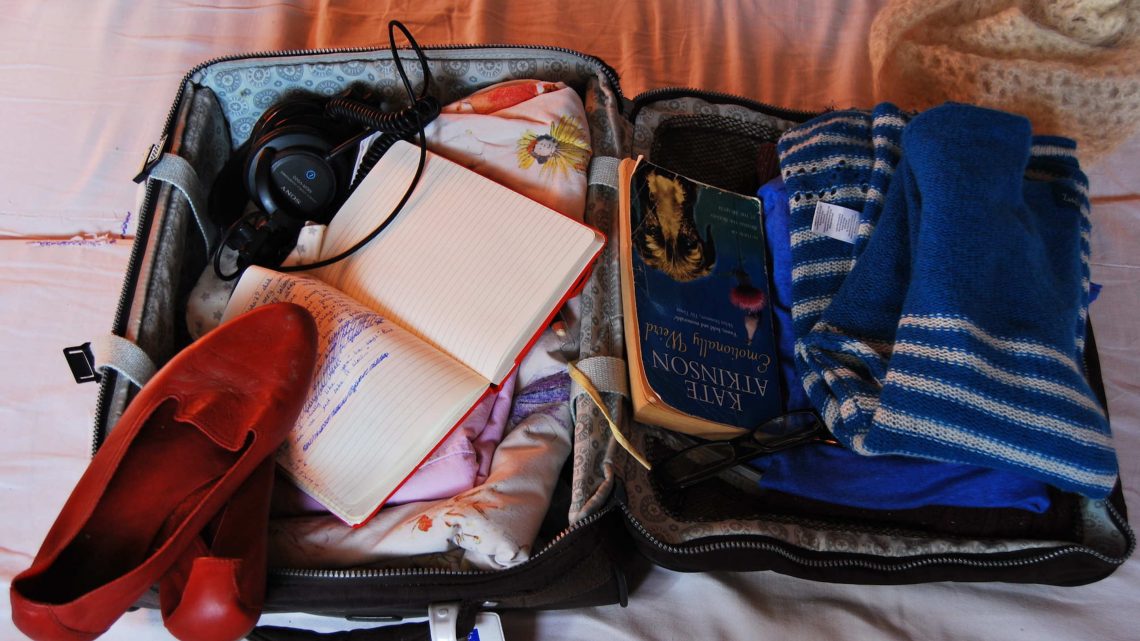
There’s something deeply comforting about analog entertainment while traveling. A book you’ve been saving. A magazine bought at the airport. A notebook where you jot down thoughts you wouldn’t think at home.
These items slow time in a way screens don’t.
They also create memories. You’ll forget which show you watched on a flight. You’ll remember the book you read while crossing an ocean.
Why the Best Travel Essentials Don’t Feel Like “Gear”
The common thread across all truly good travel essentials is this: they don’t draw attention to themselves.
They don’t scream “I planned for this.” They simply make the experience smoother, quieter, more humane.
They remove obstacles instead of adding options.
And perhaps most importantly, they respect the fact that travel is already overstimulating. The best items don’t demand learning curves or constant management. They work in the background while you focus on where you are — or where you’re going.
Travel as a Reflection of Taste
How you pack says a lot about how you see the world.
Not in a judgmental way — in a revealing way.
Some people pack for every possibility. Some pack for vibes. Some pack defensively. Some pack optimistically.
Over time, most of us evolve toward something quieter and more intentional. We stop packing for our aspirational selves and start packing for who we actually are when we’re tired, hungry, and slightly disoriented in a foreign place.
That’s when travel gets easier. And strangely, more elegant.
Because effortlessness isn’t about doing less — it’s about knowing better.
And when you pack accordingly, the trip doesn’t just feel smoother. It feels like it belongs to you.