There’s a particular kind of affection reserved for objects that have failed you slightly — not catastrophically, just enough to require attention. A loose button. A thinning sole. A leather band that finally gives up after years of quiet service. These moments don’t feel like endings. They feel like invitations.
I didn’t always think that way. For a long time, repair lived in the same mental category as dentist appointments and tax forms: necessary, mildly annoying, something to postpone until it became unavoidable. Buying a replacement was easier. Faster. Cleaner. And yet, every time I chose the new thing over the old one, something small but distinct went missing.
Only later did I realize: what disappeared wasn’t the object. It was the relationship.
Objects That Know You Back
There’s a difference between owning something and knowing it. Loved items fall into the second category. They adapt to your body. They learn your habits. They record your life in ways that are too subtle to photograph.

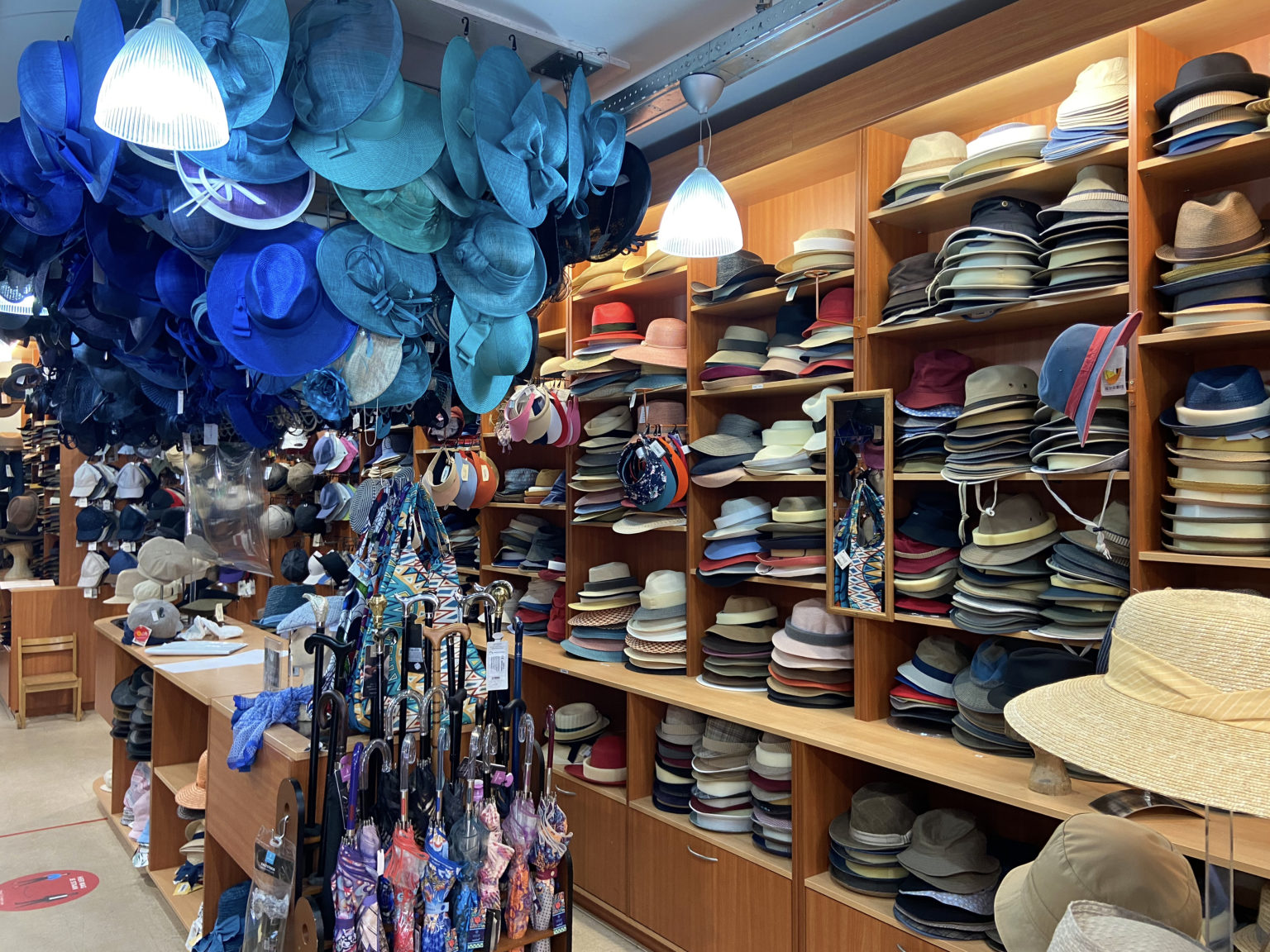
A hat that has followed you through different cities, weather systems, and phases of self-confidence doesn’t just sit on your head. It carries a map of who you’ve been. The way the brim bends ever so slightly, the way it fits without effort — these are not accidents. They’re accumulated agreements between you and the object.
Repair enters precisely here, at the point where that agreement is tested.
Why Repair Feels Personal
When something breaks, we tend to frame it as failure. The object didn’t last. The quality wasn’t there. Time won. But that logic only makes sense if you view objects as static, disposable units rather than participants in your daily life.
Repair reframes the situation. It acknowledges that wear is not a defect — it’s evidence. Proof of use. Of presence. Of time shared.
Fixing something you love is not about restoring it to a pristine, untouched state. It’s about choosing continuation over replacement. About saying: you’re still worth my time.
That decision carries emotional weight, even if we don’t name it.
The Hat, the Shop, the Thread of Continuity
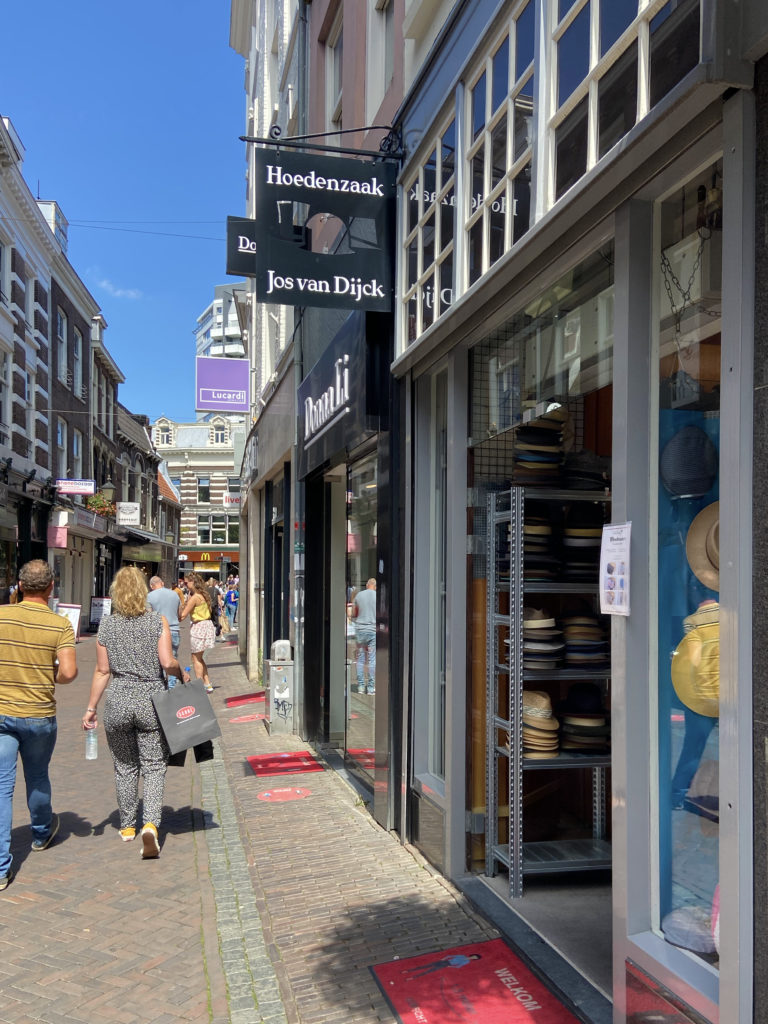
There’s something quietly radical about walking into a small repair shop with an old item in your hands. You’re stepping into a space where time moves differently. Where speed is not the primary value. Where someone looks at your object not as obsolete, but as viable.
Family-run workshops, cobblers, tailors, hatmakers — these places operate on a logic that predates planned obsolescence. They assume longevity. They expect return visits. They build their business model on the idea that things should last, and that people might want them to.
This isn’t nostalgia. It’s an alternative economic rhythm.
When a shopkeeper tells you they stand for durability, they’re not making a branding statement. They’re articulating a worldview: one where care outlives novelty.
Repair as a Form of Attention
Attention is a scarce resource. We spend it constantly, often unconsciously, on screens, updates, comparisons. Repair redirects that attention back to the physical world — to touch, material, craft.
You notice details you would normally ignore. The quality of stitching. The weight of fabric. The way different materials age. Repair teaches you how things are made, not in theory, but through contact.
This kind of knowledge is embodied. It stays with you. It changes how you shop, how you choose, how quickly you dismiss something as “done.”
In that sense, repair isn’t just maintenance. It’s education.
The Economics Are Almost Too Obvious
Yes, repair saves money. That part is easy. Spending a small amount to extend the life of something you already own is almost embarrassingly logical. And yet, logic alone rarely drives behavior.
We live in a system that normalizes replacement. Where the price of new often feels suspiciously close to the cost of fixing. This is not accidental. It’s structural.
Repair disrupts that structure in a very quiet way. It removes you, momentarily, from the constant loop of consumption. You’re no longer responding to what’s being offered. You’re deciding what’s worth keeping.
That shift — from reactive to intentional — is where the real value lies.
Waste, Guilt, and the Limits of Moralizing
Sustainability conversations often collapse under their own moral weight. Lists of things we should do. Statistics designed to shock. Guilt framed as motivation.
Repair works differently. It doesn’t demand that you become a better person. It simply offers a more satisfying option.
By fixing something, you generate less waste — yes. But more importantly, you develop a different relationship to objects. One based on stewardship rather than extraction.
You stop asking: Is this still trendy?
You start asking: Is this still good?
That question changes everything.

Why Repaired Things Feel More Valuable
There’s a strange alchemy that happens when you invest effort into an object. The moment you repair something, its value increases — not on the market, but to you.
Psychologically, this makes sense. We care more about things we’ve put work into. But there’s also something deeper at play. Repair marks an object as chosen. As defended against replacement.
It now carries a story of interruption and continuation. Of breakage and response. Of care.
From that point on, you handle it differently. More gently. More attentively. Not because it’s fragile, but because it’s meaningful.
Repair as a Rebuttal to Fast Fashion
Fast fashion thrives on amnesia. On forgetting where things come from, how they’re made, and where they go when we’re done with them. It depends on speed and emotional detachment.
Repair slows everything down.
It forces you to confront material reality: that clothes are constructed, not conjured. That labor is involved. That time is embedded in every seam.
When you repair an item instead of replacing it, you’re not staging a dramatic protest. You’re simply opting out of a particular logic. You’re saying: I don’t need the cycle to keep spinning at this pace.
It’s a small refusal, but a persistent one.
The Pleasure No One Talks About
Beyond ethics, economics, and sustainability, there’s a simple truth that rarely gets mentioned: repair is fun.
There’s pleasure in restoration. In seeing something come back to life. In wearing an item again and feeling that subtle satisfaction of recognition — ah, there you are.
It’s also deeply comforting. In a culture obsessed with upgrades, repair offers reassurance: not everything needs to be replaced to be relevant. Some things just need care.
That idea, once internalized, extends beyond clothes.
Living With Things, Not Just Owning Them
Ultimately, repairing what you love is about choosing depth over breadth. Fewer objects, richer relationships. Less novelty, more continuity.
It asks you to live with things, rather than cycle through them.
And once you start doing that, it becomes surprisingly difficult to go back. New items begin to feel impatient. Unproven. Loud. Meanwhile, the repaired ones sit quietly in your wardrobe, confident in their place.
They’ve earned it.
Fixing what you love doesn’t just extend the life of your belongings. It extends your capacity for attachment, patience, and care — qualities that feel increasingly rare, and increasingly necessary.
And maybe that’s why it feels so good.