Every January, the same ritual repeats itself with almost religious precision.
A new year. A new body. A new version of discipline we swear is finally going to stick.
Exercise more. Move daily. Become someone who owns real leggings, not the stretched-out cotton ones from five years ago that still smell faintly of old intentions.
And somehow—this is the part I always find fascinating—starting to move our bodies feels inseparable from starting to shop. As if physical transformation requires visual evidence. As if effort only counts when it looks like an ad campaign.
You can go for a run in your old sweatpants. Everyone knows this.
But nobody wants to feel like they’re running in a footnote.
So we reach, almost automatically, for Nike.
Nike as a Cultural Shortcut
Nike isn’t just a brand. It’s a cultural reflex.
You don’t “buy sportswear,” you buy Nikes. You don’t “go train,” you Just Do It. The slogan has outlived entire fitness trends. It survived low-rise leggings, high-rise leggings, CrossFit, Pilates rebrands, and the collective realization that maybe running marathons is not a personality.
Nike sits in that rare space where marketing has become language.
When you wear it, you’re not just dressed—you’re aligned with an idea of yourself. Capable. Active. In motion, even if you’re mostly walking to get coffee.
With annual revenue north of $37 billion, Nike is the largest activewear brand in the world. Which means that for most of us, this isn’t a theoretical conversation. There’s probably a swoosh somewhere in your closet right now. Maybe more than one.
I’m not exempt.
My Own Swoosh Era
Half of my sportswear used to be Nike. Not because I studied the market or believed in their corporate mission, but because at one point in my life, Nike meant belonging.
Back when I played beach volleyball at a decent level, our team was sponsored. Which, if you’ve never experienced it, feels like being briefly adopted by adulthood. Free gear. Your name printed on it. The quiet thrill of walking into a store and not looking at price tags.
My beach partner and I always chose Nike. It felt obvious. Aspirational. Serious.
Looking back, what I recognize now is how early the emotional contract was signed. Nike wasn’t just outfitting my body—it was shaping my idea of what athletic legitimacy looked like. And once a brand does that, questioning it feels almost disloyal.
Almost.
The Ghost of the 90s
Nike’s reputation didn’t emerge unscathed. If you were paying attention in the 90s—and not just consuming ads but headlines—you remember the backlash. Sweatshops. Child labor. Factories in Asia operating under conditions no Western consumer would tolerate for a single day.
Nike became the symbol of everything wrong with globalized production. The case study. The villain in ethics classes.
And to be fair: under massive public pressure, Nike did respond.
Over the last decade, they’ve improved monitoring. Raised the minimum working age. Increased factory audits. Invested heavily in innovation-driven climate strategies. On paper, the transformation looks impressive.
The question is not did they change?
The question is did they change enough—or just enough to remain untouchable?
“It’s a Start” Is Not a Compliment
When sustainability platform Good On You rates Nike as “It’s a start,” that phrasing does a lot of work. It sounds encouraging. It also quietly admits how low the bar still is.
Yes, Nike uses some eco-friendly materials.
Yes, there are water reduction initiatives.
Yes, science-based emission targets exist—somewhere in the strategy decks.
But there’s little evidence those targets are on track. And more importantly, sustainability is not only about carbon metrics. It’s about people.
Reports like Foul Play by the Clean Clothes Campaign show a persistent imbalance that no recycled polyester can offset: the staggering gap between what Nike spends on athlete sponsorships and marketing, and what workers in the supply chain actually earn.
The share of the final product price that goes to workers has decreased.
The money flowing to celebrity endorsements has not.
You don’t need to be anti-capitalist to feel the dissonance here. You just need to be awake.
Innovation as Alibi
Nike leans hard on innovation. And innovation, culturally, is a powerful shield. It suggests forward motion, problem-solving, good intentions. If something is technologically advanced enough, we assume it must also be ethically improved.
But innovation doesn’t automatically redistribute power.
It doesn’t guarantee living wages.
It doesn’t slow production if growth is still the primary objective.
Nike’s business model still depends on volume. On constant drops. On feeding a global appetite for newness dressed up as progress.
Sustainability inside a system designed for endless consumption will always be partial at best.
Why We Don’t Want to Know This
Nike is comfortable. Familiar. It makes us feel capable before we’ve done anything at all.
Questioning it means questioning the idea that the “right” brand can carry our motivation for us. That buying the look of effort is somehow adjacent to effort itself.
There’s also something else: scale.
It’s easier to forgive a giant. We expect harm from size. We rationalize it as inevitable. When a company is that big, responsibility becomes abstract—diffused across factories, regions, subsidiaries.
But abstraction is exactly what allows harm to persist quietly.
Looking Sideways: Is Anyone Doing It Better?
Compared to Nike, some competitors are—uncomfortably—doing better.
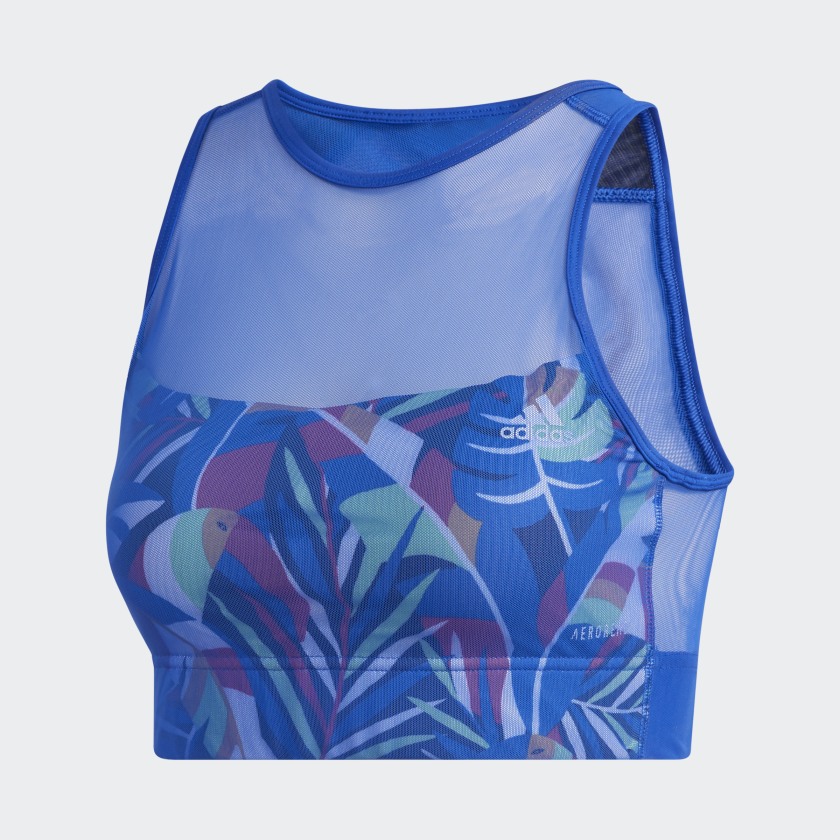
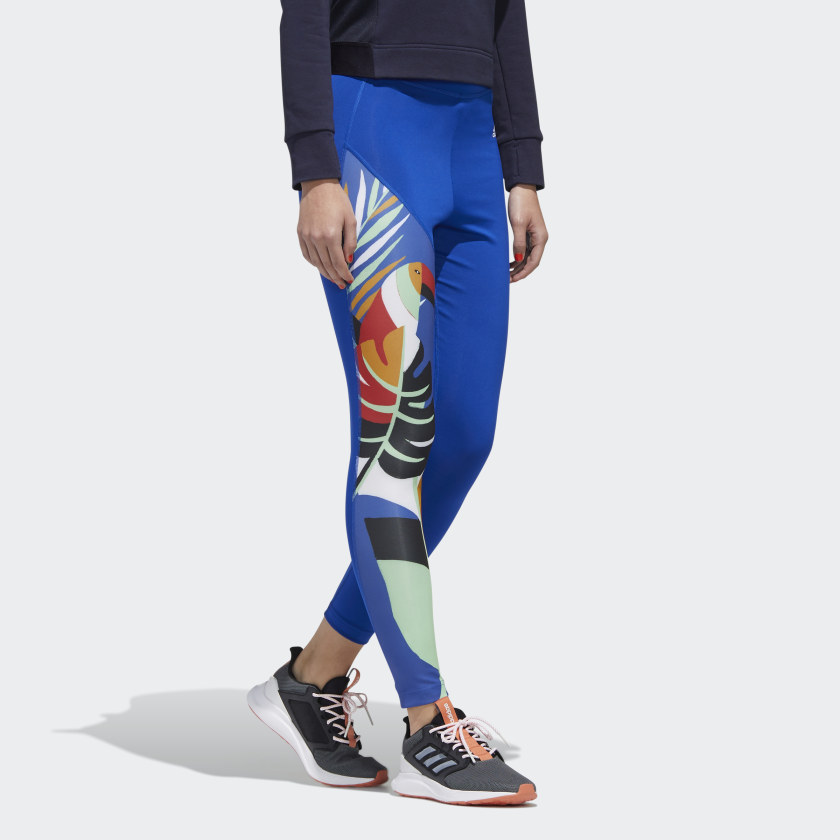
Adidas, for example, consistently ranks higher in both environmental initiatives and labor conditions. Rated “Good” rather than “It’s a start,” they’ve invested more transparently in recycled materials and supply chain accountability.
That doesn’t make Adidas pure. There is no purity here. But it does demonstrate something important: improvement is possible at scale. Nike’s position is not inevitable—it’s chosen.
And that’s the part that matters.
The Myth of the Perfect Alternative
This is usually where people want a list.
The brands to switch to.
The guilt-free leggings.
The solution neatly folded at the end of the article.
But that would be dishonest.
There is no perfect brand waiting to absolve us. Ethical consumption is not a destination—it’s a negotiation you keep having with yourself. Over and over again.
What matters more than switching logos is switching posture.
Asking questions.
Buying less.
Keeping what you already own in rotation longer than trends suggest is acceptable.
Nike doesn’t become irrelevant overnight. And for many people, access and affordability complicate every choice. That reality deserves respect.
But uncritical loyalty? That’s optional.
So… Should You Still Wear Nike?
Here’s the uncomfortable answer: probably yes. And also—maybe less.
If you already own Nike gear, wearing it longer is more sustainable than replacing it with something “better.” If Nike fits your body, your budget, your routine—that matters too.
But if you’re buying new, it’s worth pausing. Asking whether you’re buying performance—or permission. Whether the swoosh is motivating you, or simply reassuring you that you belong to a certain image of movement.
Brands don’t make us active.
They just make activity look aspirational.
Doing It vs. Doing It Better
“Just Do It” has always been a command, not a question. It doesn’t invite reflection. It bypasses doubt. That’s why it works.
But maybe the more interesting prompt now is quieter:
Who benefits when I do?
Who pays when I don’t ask?
Nike is not the villain of this story. But it’s also not the hero it once sold us. It exists in the grey zone where most modern brands live—better than before, not good enough yet.
And maybe that’s where responsibility shifts back to us.
Not to quit.
Not to purify.
Just to pay attention.
Because sometimes the most radical thing you can do is stop letting a logo think for you.