Let me clarify something before we begin: this is not a tutorial.
There will be no neat step-by-step instructions, no measurements in centimeters, no tidy diagrams with arrows pointing at darts and seams. This is something softer. A wandering reflection on what happens when you take a men’s button-down shirt from a thrift store and decide it deserves a second life — and maybe you do too.
Because that’s really what a thrift flip is, isn’t it? Not just fabric rearranged, but identity gently renegotiated.
I found the shirt on a Tuesday afternoon when I had no intention of buying anything. It was hanging between a row of corporate blues and tired stripes, slightly oversized, faintly anonymous. Crisp cotton, good quality, the kind of garment that once lived under fluorescent office lights. It smelled faintly of detergent and time.
Men’s shirts have always fascinated me. They carry history. The cut is structured, pragmatic, almost disciplined. They are designed for movement within systems — boardrooms, banks, bureaucracies. The button-down shirt is one of modernity’s quiet uniforms. Industrialization didn’t just standardize labor; it standardized silhouettes.
And yet, there it was, discarded.
I held it up to my body and imagined possibilities. Cropped? Ruffled? Cinched? Left oversized and romantic? The beauty of thrift flipping is not in perfection but in potential. The garment is no longer sacred. You are allowed to experiment.
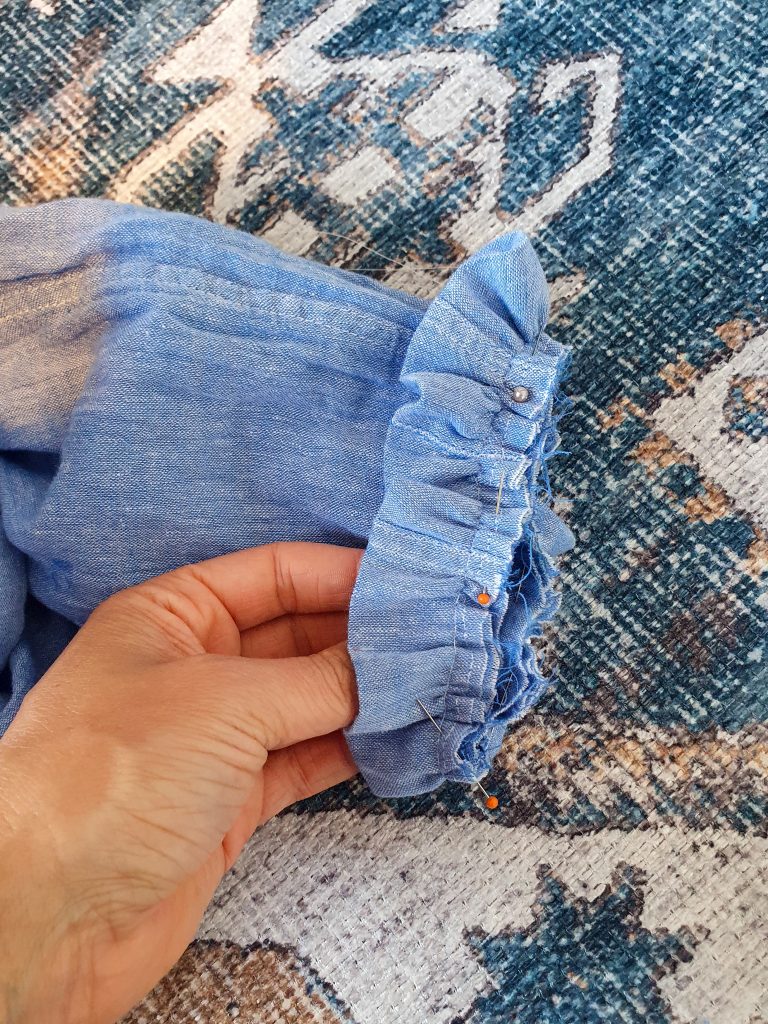
Still, let’s not romanticize the process too much. Refashioning is work. Real work. The unpicking alone — that slow, meticulous removal of factory stitches — can test your patience. There is something almost meditative about it. You sit with a seam ripper and undo what industrial machinery once sealed in seconds. A quiet rebellion against speed.
I used to rush this stage. Impatient, careless, eager to see transformation. And I paid the price — small tears in fabric, crooked lines, even the occasional scorch mark from an iron left too long in one place. (Let’s just say my sewing history contains casualties.)
This time was different.
My sewing skills have improved — not dramatically, not miraculously — but enough to feel a shift. There is a particular satisfaction in sensing your hands grow more confident. In knowing how to take in a shoulder seam without panic. In understanding that cutting off the bottom of a shirt is not destruction, but the beginning of something else.
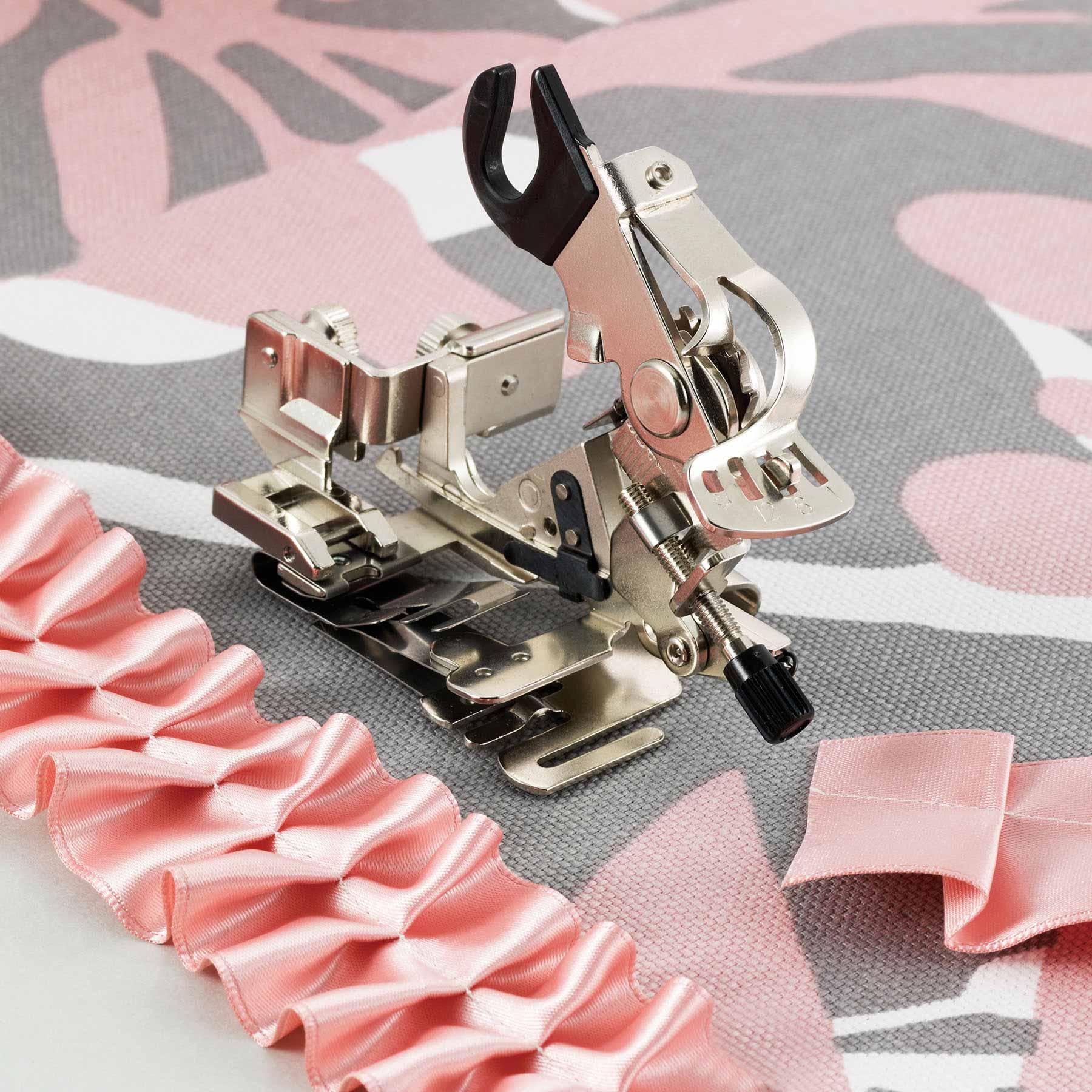
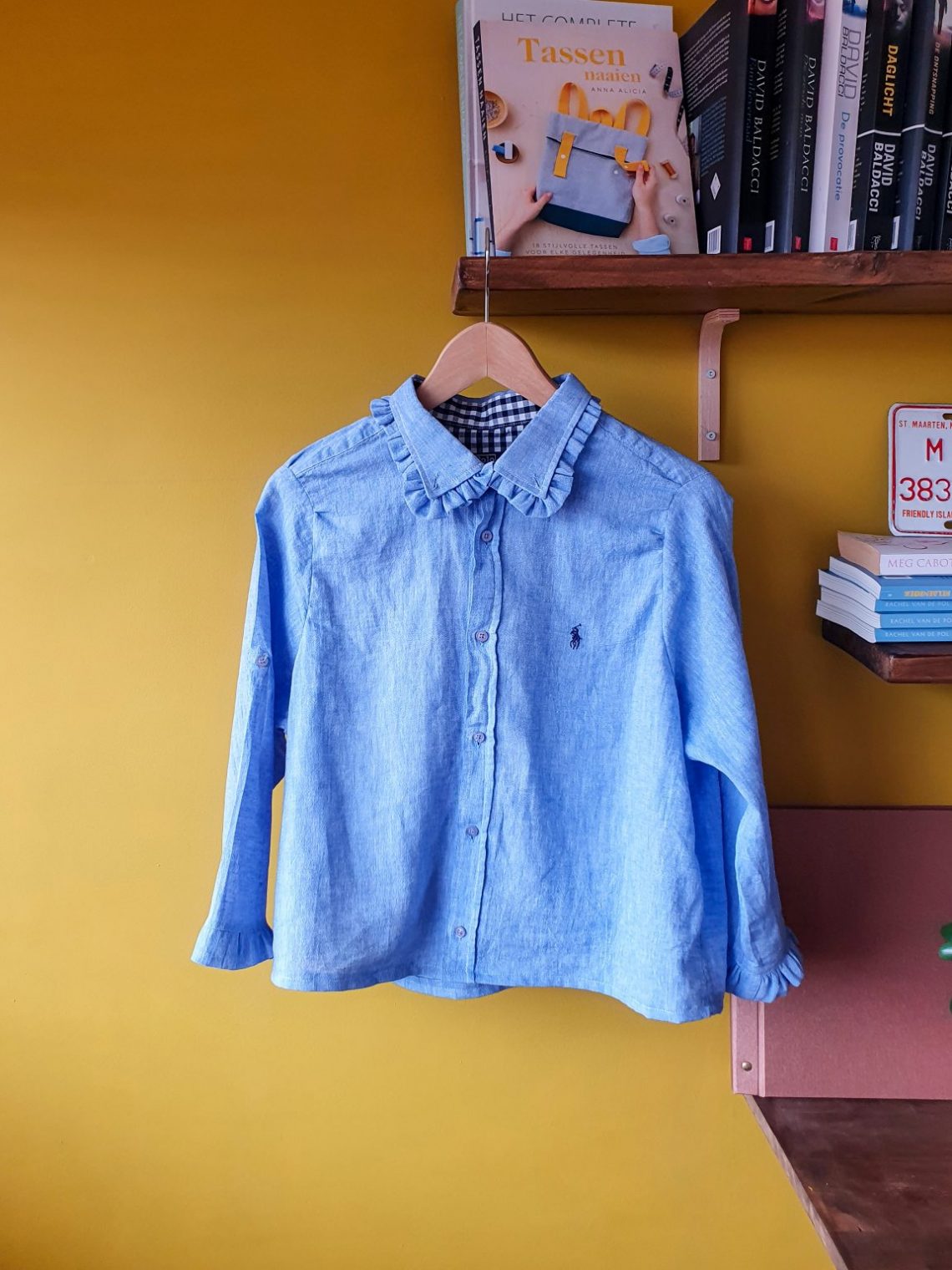
I decided early on that I wanted movement. The original hem was straight, practical. I wanted softness. So I cut off the bottom portion and transformed the fabric into ruffles. There is something deliciously subversive about taking a garment coded as masculine and corporate and adding an element associated with romantic femininity.
Historically, clothing has been one of the most visible markers of gender. The men’s button-down shirt became emblematic of rationality, professionalism, control. To alter it — to gather it into ruffles, to cinch it at the waist — is not merely aesthetic. It’s cultural commentary stitched into cotton.
Of course, I did not sit there thinking in grand theoretical terms while pinning fabric. I was mostly thinking: please let this line be straight. Please let the machine behave. Please don’t ruin this.
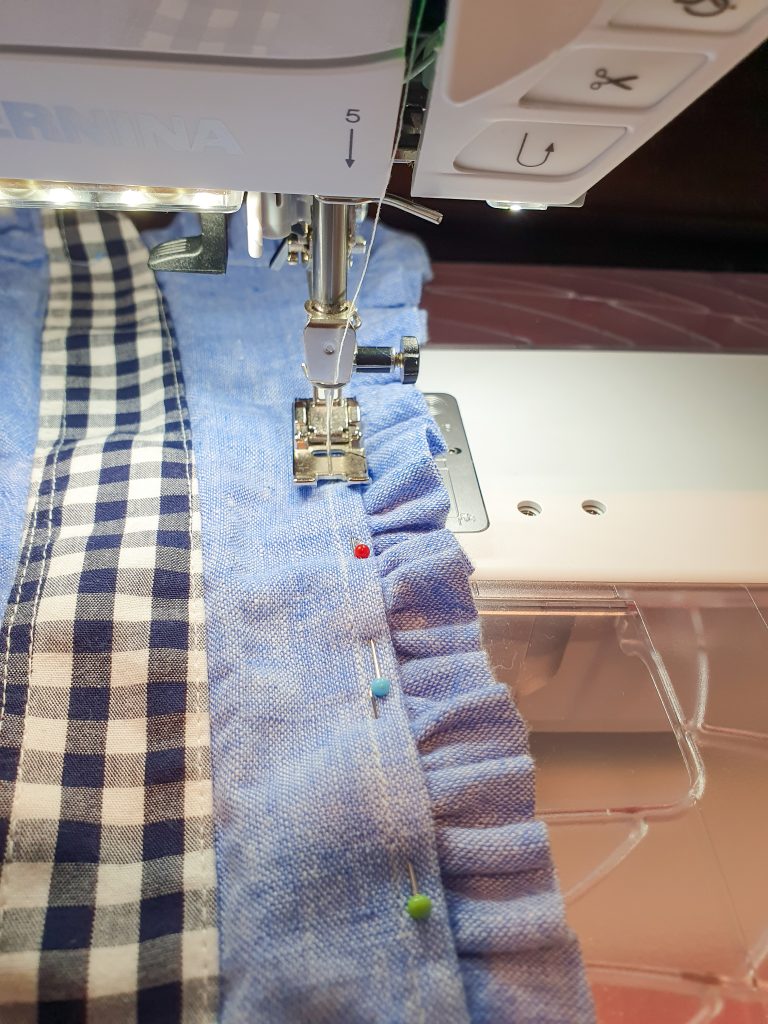
But somewhere beneath the practical concerns, there was an awareness. Clothing is never neutral. When we refashion, we are participating in a long tradition of adaptation. Historically, garments were remade out of necessity. Dresses turned into children’s clothes. Coats relined and reshaped. Fabric was precious. Waste was minimal.
Fast fashion disrupted that rhythm. It trained us to discard rather than alter. To buy new rather than repair. Thrift flipping, in its small way, resists that logic. It asks: what if this is enough?
Taking in the back and shoulders of the shirt was the hardest part. Structure matters. A millimeter off can distort the entire silhouette. I remembered the instructions from my sewing teacher — patient guidance about easing fabric, about not forcing seams to align through brute strength.
There is something humbling about learning from someone else’s craft. In a culture obsessed with self-sufficiency and quick YouTube mastery, sitting in a classroom, fumbling with pins while someone gently corrects you, feels almost radical.
And then there was the moment of truth: trying it on.
Not all refashion projects succeed. Let’s be honest. Some end up slightly awkward, wearable only at home, destined for that ambiguous space in the wardrobe labeled “creative experiments.” I have produced pieces that looked better in theory than on my body. Pieces that carried effort but lacked ease.
This one surprised me.
When I buttoned it up and looked in the mirror, I felt something shift. It fit — not only physically, but emotionally. The ruffles added softness without excess. The adjusted shoulders framed rather than swallowed me. It no longer felt like borrowed uniformity. It felt intentional.
Perhaps the most important test of any garment is this: do you want to wear it? Not once for a photo. Not once for validation. But repeatedly, instinctively.
I felt eager.
And that eagerness is not trivial. Sustainable fashion conversations often focus on materials, supply chains, carbon footprints. All crucial, yes. But emotional durability matters too. If you love a piece deeply, you will keep it. You will repair it. You will forgive its small imperfections.
The pattern I used as inspiration came from a magazine — a loose reference rather than a strict blueprint. I find that helpful. Total improvisation can feel overwhelming; rigid adherence can feel suffocating. Inspiration gives direction without erasing freedom.
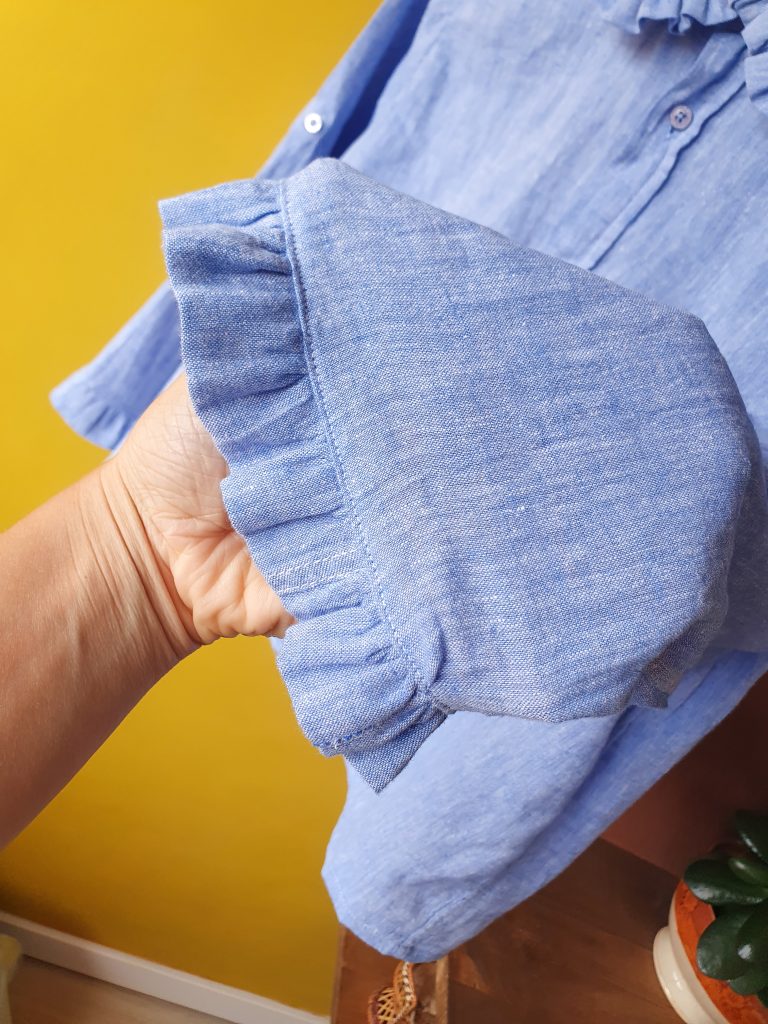
I changed my mind about the sleeves halfway through. That, too, is part of the beauty. Sewing allows for reconsideration. In a retail environment, the design is fixed long before it reaches you. Here, you are both consumer and creator. You can decide that a puff is too much, that a cuff needs narrowing, that the story is not finished.
There is something deeply empowering in that agency.
I sometimes think about how clothing production became so distant from the wearer. Factories thousands of kilometers away. Anonymous hands. Garments arriving in plastic, identical and abundant. When I sit at my sewing machine, even if I am only altering something minor, I re-enter the lineage of making.
It is not nostalgia for some romanticized past. Sewing can be frustrating. Thread tangles. Needles break. Fabric shifts unpredictably. But it reconnects you to process.
And process changes perception.
After spending hours on a single shirt, I find it harder to treat clothing as disposable. I understand, viscerally, the labor embedded in seams. I see how long it takes to align a collar. I feel the tension required to gather ruffles evenly. That awareness lingers the next time I walk through a store and see shirts priced less than a café lunch.
Refashioning also challenges our relationship with perfection. Industrial garments aim for flawlessness. Uniform stitches, symmetrical hems, polished finishes. Handmade alterations carry slight irregularities. A seam not entirely straight. A gather slightly denser on one side.
At first, those imperfections used to bother me. Now, I see them as signatures. Evidence of learning. Of human touch.
Culturally, we are relearning repair. Visible mending, patchwork, upcycling — these practices are no longer hidden. They are celebrated. Perhaps because we sense, collectively, that endless production is unsustainable. That creativity must turn inward, toward what already exists.
A men’s button-down shirt, in its original form, might seem mundane. But when you alter it, you notice its architecture. The precision of its placket. The logic of its cuffs. You begin to appreciate design in a new way.
And perhaps that is the quiet gift of thrift flipping: attention.
Attention to fabric. To fit. To history. To your own evolving taste.
When I wear my refashioned shirt now, I feel layered. Not in fabric, but in meaning. I know where it came from — a rack in a thrift store. I know the hours it spent under my hands. I know the small mistakes corrected, the decisions revised.
It is no longer anonymous.
Will every thrift flip be a success story? Absolutely not. Some will fail. Some will frustrate. Some will teach you that certain silhouettes are better left intact.
But even the failures have value. They slow you down. They complicate your relationship with consumption. They remind you that transformation requires effort.
And in a world that offers instant everything — instant delivery, instant trends, instant disposal — effort feels almost luxurious.
So no, this is not a tutorial. I cannot promise you perfect ruffles or seamless shoulders. What I can offer is this: if you ever find yourself holding an oversized men’s shirt in a thrift store, pause before dismissing it. Imagine what it could become. Imagine what you could learn by trying.
Maybe you will never touch a sewing machine. Maybe you will simply dream about possibilities. That’s fine too. Dreaming is the first step toward reimagining systems.
But if you do decide to unpick a seam, to cut into cotton that once felt untouchable, know that you are participating in something larger than fashion. You are questioning disposability. You are reclaiming agency. You are allowing imperfection.
And sometimes, that is enough.
When I button up my transformed shirt now, I feel a quiet pride. Not the loud pride of a brand-new purchase, but the subtle satisfaction of having made something work. Of having seen potential where others saw surplus.
Unbuttoning the ordinary, it turns out, is less about the shirt and more about perspective.
And perspective, like fabric, can always be reshaped.