Most days, I sit too long.
Laptop open. Shoulders slightly curved forward. Tea going cold beside me while I answer emails that could probably have waited until tomorrow. The hours blur into each other in a way that feels both efficient and vaguely disorienting.
And then I step outside.
There is something almost medicinal about winter light. The sharpness of cold air in your lungs. The sound of your boots against pavement that suddenly feels louder because the streets are quieter than they used to be. During lockdown months, my neighborhood transformed into a slower version of itself. Fewer cars. More dogs. More people walking without obvious destinations.
Those walks became ritual.
And ritual requires the right uniform.
A winter parka, I’ve come to realize, is not just insulation. It’s architecture. It’s shelter you carry on your shoulders. In Northern Europe especially, outerwear is not decorative — it’s existential. You don’t leave the house without negotiating with the weather first.
Last October, I said goodbye to my old winter coat. I had bought it six years earlier, before I cared much about where my clothes came from or how they were made. It had served me well. But the cuffs were fraying, the zipper unreliable, the fabric thinning in places that once felt indestructible.
Replacing a winter jacket is not like buying a new sweater. It’s a commitment. A long-term relationship. And if I was going to invest in something that would walk with me through grey afternoons and blue-sky freezes, I wanted it to align with how I think about clothing now: fewer pieces, better made, ethically considered.
Finding a sustainable winter parka isn’t as simple as typing “eco coat” into a search bar. The language of sustainability has become marketing shorthand. You have to look a little deeper — at materials, at production transparency, at longevity.
These are five brands I kept returning to. Not because they are perfect — nothing is — but because they represent different ways of thinking about warmth, responsibility, and urban life.

1. Patagonia — Repair as Philosophy
There’s something reassuring about brands that have been consistent in their values for decades. Patagonia is one of them.
Founded by climber Yvon Chouinard, Patagonia has always positioned itself at the intersection of performance gear and environmental activism. Their pledge to donate 1% of sales to environmental causes is not a recent PR maneuver; it’s embedded in their DNA.
But what resonates with me most isn’t the donation percentage. It’s the emphasis on durability and repair.
In a culture that replaces instead of fixes, Patagonia encourages customers to mend their garments. They run repair programs. They design for longevity. Their parkas are often made from recycled materials, including recycled polyester and responsibly sourced down.
When you put on a Patagonia parka, you feel the functionality first. Clean lines. Technical precision. It’s less about fashion drama and more about pragmatic resilience.
And perhaps that’s the point.
Winter, especially during lockdown months, stripped life back to essentials. You didn’t need a coat to impress colleagues. You needed one to withstand wind while standing in line for takeaway coffee.
A Patagonia parka feels like an agreement with the elements: I am prepared. And I intend to keep this for years.
2. TEYM — The Discipline of “One Impeccable Wardrobe”
If Patagonia represents legacy activism, TEYM represents restraint.
The Dutch brand built its philosophy around the idea of creating “One Impeccable Wardrobe.” Instead of launching seasonal collections at frantic speed, they develop one item at a time. Slowly. Carefully. Relentlessly refining it.
They began with a parka in 2015. Not ten versions. One.
There is something almost radical about that pace in today’s fashion system. It rejects the constant churn of novelty. It asks: what if we just made one excellent thing?
TEYM’s parka is minimalist, architectural, quietly confident. It doesn’t scream trend. It whispers longevity.
I’ve always been drawn to that kind of aesthetic — the kind that allows the wearer to exist without being overshadowed by the garment. It feels adult in the best sense. Considered. Calm.
And during lockdown, calm became a luxury.
Knowing that a brand has spent years refining a single piece changes the way you wear it. You’re not participating in a fleeting moment. You’re stepping into something iterative. Thought through.
There’s also something culturally Dutch about this approach — practical, understated, allergic to excess. It mirrors the flat landscapes and functional urbanism of cities like Amsterdam.
A TEYM parka doesn’t compete with the city. It moves through it.
3. Ecoalf — From Ocean Waste to Urban Warmth
If Patagonia’s activism is rooted in wilderness and TEYM’s in reduction, Ecoalf’s narrative begins in the ocean.
The Spanish brand built its identity around transforming marine waste into wearable material. Fishing nets, plastic bottles, ocean debris — recycled into yarns that become jackets, sweaters, parkas.
There is poetry in that transformation.
Plastic that once floated as pollution now stitched into something that shields you from cold wind. Waste turned into protection.
Of course, recycled polyester is still polyester. It doesn’t dissolve the systemic issues of synthetic fibers. But it does extend the life cycle of materials already in circulation. It acknowledges that we are living in the age of plastic — and attempts to mitigate the damage.
Ecoalf’s parkas often blend clean design with subtle technical features. They don’t look aggressively “eco.” And perhaps that’s important. Sustainability should not require an aesthetic sacrifice.
Wearing one feels like carrying a quiet story. A reminder that the fashion industry is deeply entangled with environmental crises — but also capable of innovation.
On a winter walk, wrapped in recycled fabric, you become aware of the interconnectedness of systems. Ocean currents. Supply chains. Consumer choices.
It’s a lot to think about while holding a coffee cup. But winter invites contemplation.
4. Embassy of Bricks and Logs — Streetwear With Conscience
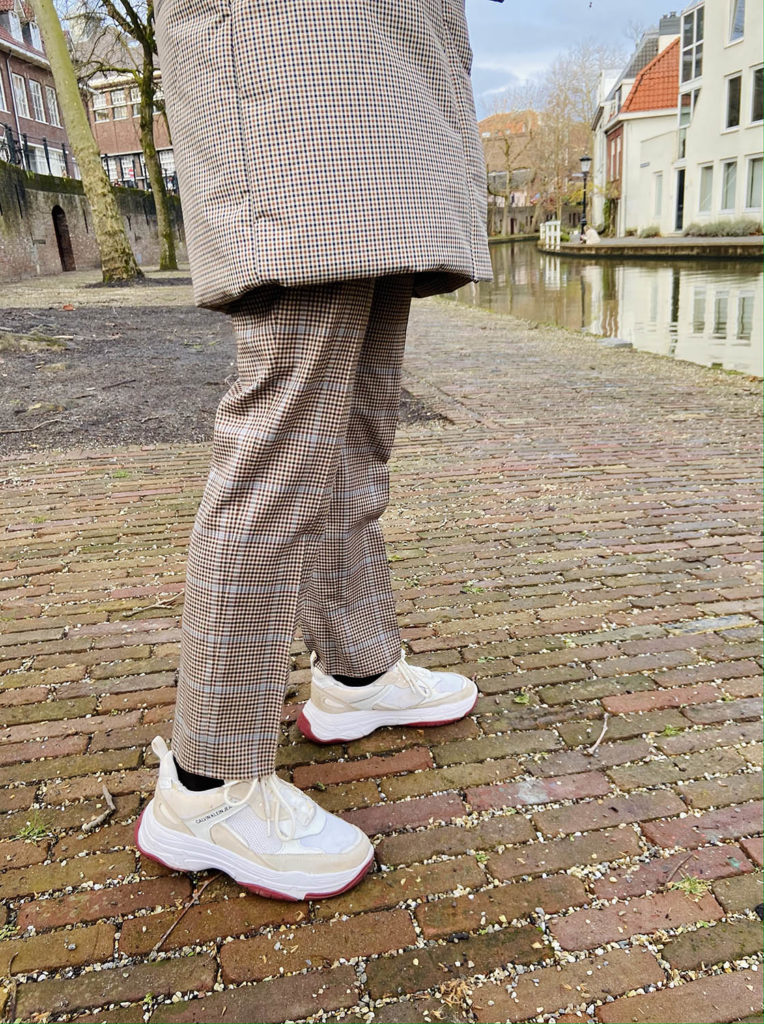
The name alone feels slightly ironic, slightly playful. Embassy of Bricks and Logs positions itself at the crossroads of contemporary streetwear and ethical production.
Their silhouettes lean utilitarian. Clean but bold. Urban without being aggressive. There’s a subtle nod to street culture — the kind that thrives in cities where weather dictates wardrobe.
What I appreciate about this brand is the emphasis on high aesthetic standards alongside ethical ones. It rejects the idea that sustainable fashion must be visually modest or conceptually simple.
Ethics and style are not mutually exclusive.
Their outerwear often uses recycled materials and animal-friendly alternatives to down. The focus is on creating parkas that feel current — relevant to how we actually dress now — while reducing harm.
There’s a cultural shift happening in fashion, especially among younger consumers. Streetwear, once synonymous with hype cycles and limited drops, is increasingly intersecting with sustainability conversations.
Embassy of Bricks and Logs exists within that intersection.
A parka from them feels slightly more expressive. A little more attitude. Perfect for those winter walks where you want to feel cocooned but not invisible.
5. Elvine — Gothenburg Weather as Design Brief
Elvine’s origin story reads like something from a novel.
Founded in 2001 by Swedish street artist Daniel Mänd and named after his grandmother Elvine Mänd — a seamstress who fled Estonia for Gothenburg in the 1950s — the brand is steeped in narrative.
Gothenburg is known for rain. For wind that cuts sideways. For weather that doesn’t politely cooperate.
Designing jackets for that climate requires seriousness.
Elvine’s parkas balance Scandinavian minimalism with functional detail. Waterproof fabrics. Thoughtful pocket placement. Hoods that actually shield rather than decorate.
I find something comforting in the intergenerational thread here — a grandson inheriting craftsmanship from a grandmother who sewed to survive displacement.
Clothing, in that context, is not trivial. It is resilience embodied.
When you wear an Elvine parka, you feel that practicality. It doesn’t demand attention. It simply performs.
And in a winter shaped by uncertainty, performance matters.
Choosing Warmth, Choosing Values
It would be easy to turn this into a ranking. A comparison chart. Technical specifications.
But choosing a winter parka is more intimate than that.
It’s about how you move through your days. About whether you bike in freezing rain or stroll slowly through quiet streets. About whether you prioritize athletic functionality or architectural silhouette.
It’s also about acknowledging that every purchase is a vote.
Not a perfect vote. Not a morally pure one. But a directional one.
During lockdown walks, I often found myself reflecting on how much our relationship with clothing shifted. We dressed for ourselves more than for others. For comfort. For sanity. For the small pleasure of feeling put together while the world felt uncertain.
A good winter parka becomes part of that emotional scaffolding. It allows you to step outside when staying in feels easier. It holds warmth close to your body while you clear your head.
And perhaps that’s what sustainable fashion should ultimately support: lives lived more consciously. Slower decisions. Longer relationships with the things we wear.
So whether you gravitate toward Patagonia’s repair ethos, TEYM’s disciplined minimalism, Ecoalf’s circular ambition, Embassy’s ethical streetwear, or Elvine’s weather-tested craftsmanship — choose something that feels aligned.
Not just with your wardrobe.
But with the way you want to walk through the world.
Preferably with a hot coffee in hand and cold winter air in your lungs.