There are moments when getting dressed feels oddly emotional, even when nothing particularly dramatic is happening. You reach for a sweater and pause. You don’t fully know why, but your hand lingers. It’s not the color or the cut — objectively, you own better things. But this one carries weight. History. A version of you that no longer exists in quite the same way.
Clothes do that. They slip past logic.
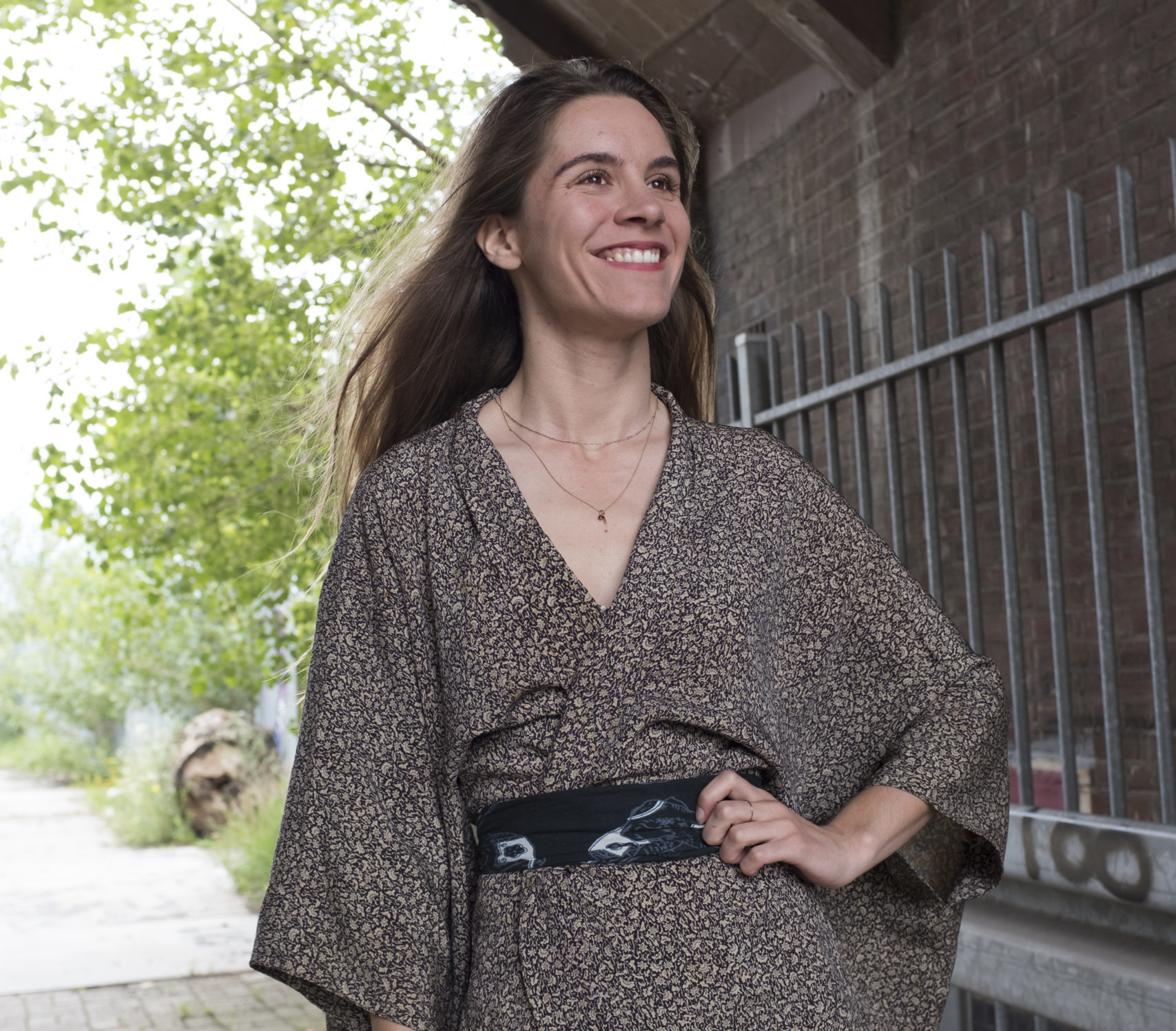
We like to think of memory as something abstract — stored in photographs, language, maybe places we return to when we can afford the time and airfare. But memory is deeply physical. It lives in the body. In texture. In smell. In the way fabric sits on your shoulders. Clothing, more than almost anything else we interact with daily, becomes a soft archive of lived experience.
And unlike photos, you don’t have to open an album to access it. You just get dressed.
Memory Is Not Visual — It’s Sensory
When we talk about remembering, we usually imagine images. But the brain doesn’t work that neatly. Memory is layered. Smell is the obvious trigger — the perfume that suddenly drops you back into a specific year — but touch is just as powerful. Wool against skin. Sun-warmed cotton. The stiffness of denim that hasn’t quite learned your body yet.
Clothes sit at the intersection of these senses. They are intimate without being invasive. They move with us. They age with us.
This is why a garment can bring back a place more vividly than a photograph ever could. A photo shows you what something looked like. Clothing reminds you how it felt to be there.
Not intellectually. Physically.
Dressing as Accidental Time Travel
You don’t need to travel to feel transported. Sometimes all it takes is the right outfit on the wrong day.
A linen shirt can pull the heat of a southern summer back into your chest. Wide trousers might suddenly smell like dust and old stone streets you haven’t walked in years. Even something as simple as sandals can change the way you move through a city — slower, less guarded, as if you expect the day to unfold differently.
What’s interesting is that this isn’t nostalgia in the cinematic sense. It’s not longing. It’s recall.
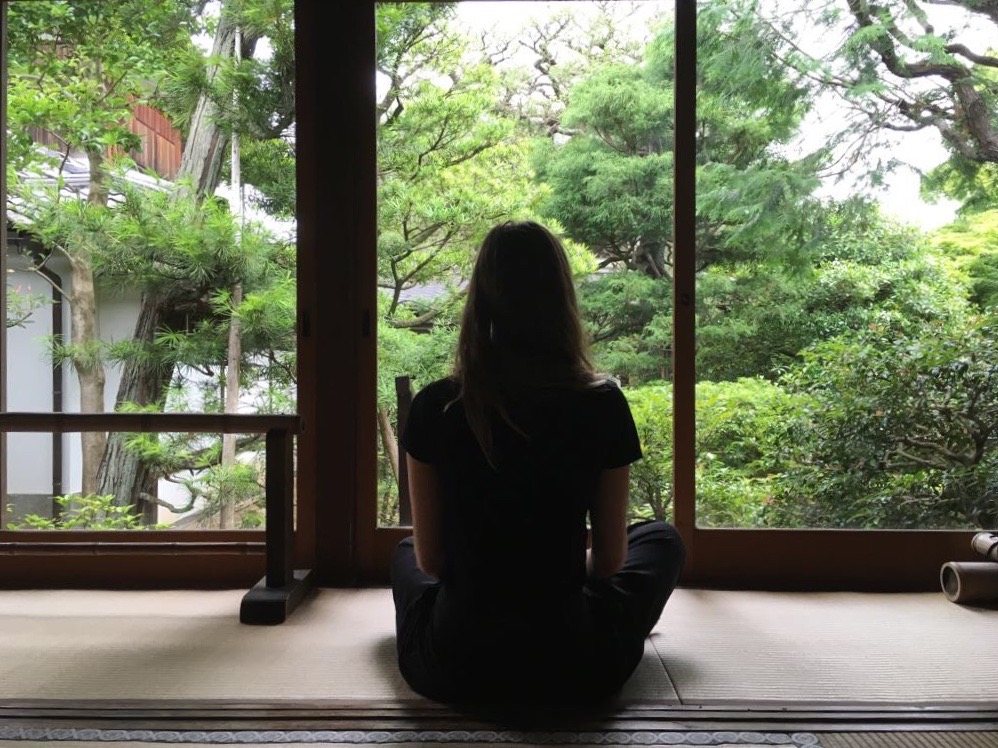
You’re not wishing to go back. You’re briefly there.
Anthropologically, clothing has always carried this role. Traditional garments aren’t just decorative; they encode climate, labor, ritual, hierarchy. They tell stories about where bodies belong and how they move through the world. When we wear pieces connected to specific places — even loosely, even imperfectly — we borrow some of that narrative structure.
We step into a rhythm that isn’t entirely ours.
The Quiet Authority of Travel Clothes
There’s a reason the clothes we wear while traveling feel different from everything else in our wardrobe. They witness transition. Airports. Delays. Long walks. Days that stretch unpredictably. They absorb uncertainty.
A jacket worn on a trip often becomes emotionally heavier than it has any right to be. It’s not that it’s beautiful. It’s that it has been there. It knows something.
This is also why buying clothes while traveling feels so charged. You’re not just purchasing an object; you’re anchoring a moment. That scarf isn’t neutral — it’s permanently tied to a version of you who was braver, freer, less structured by routine.
Later, back home, wearing it is a small act of resistance against the flattening effect of everyday life.
Cultural Memory Worn Lightly
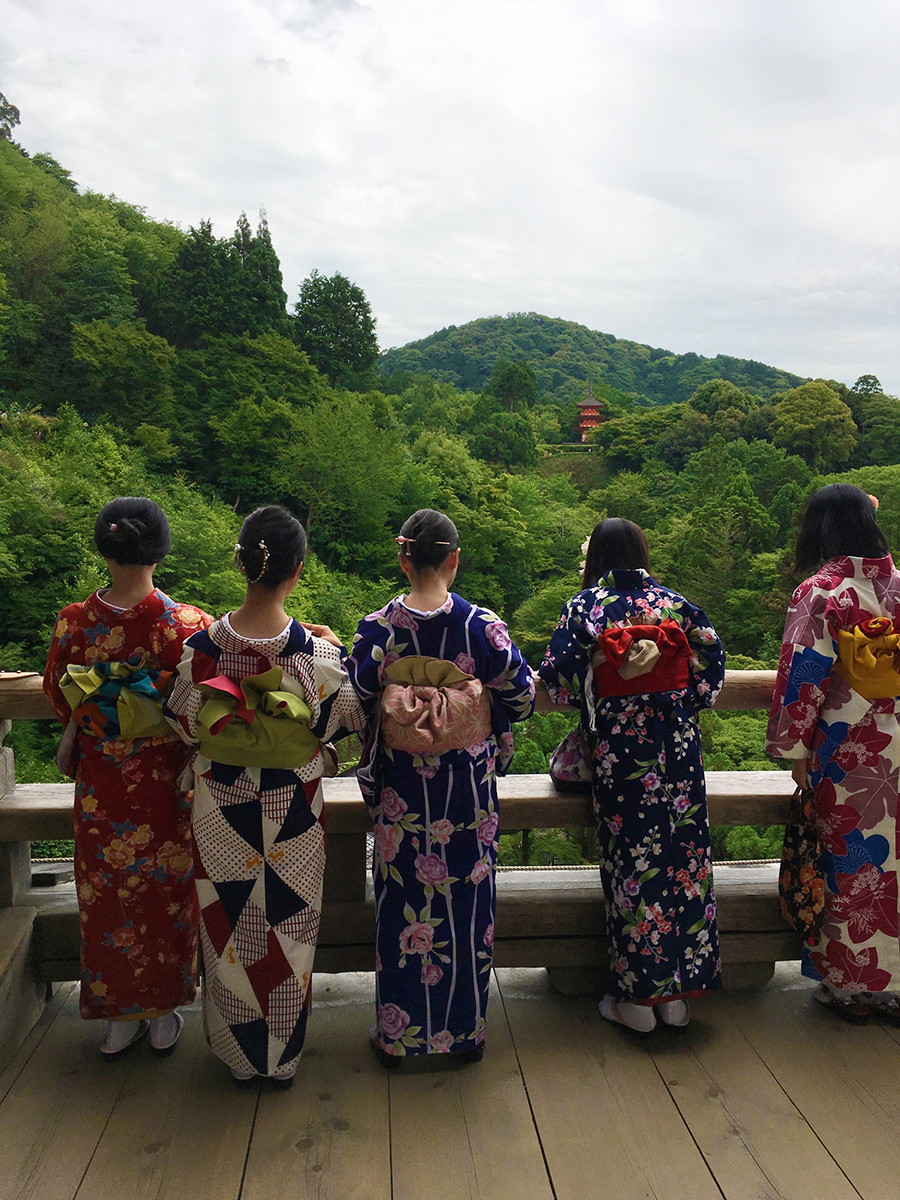
Some memories don’t belong to us personally, but we still carry them through clothing. Cultural memory works this way. Think of how certain silhouettes evoke entire eras. How particular colors feel regional. How embroidery, pleats, or proportions quietly reference histories most people couldn’t formally explain, but still recognize.
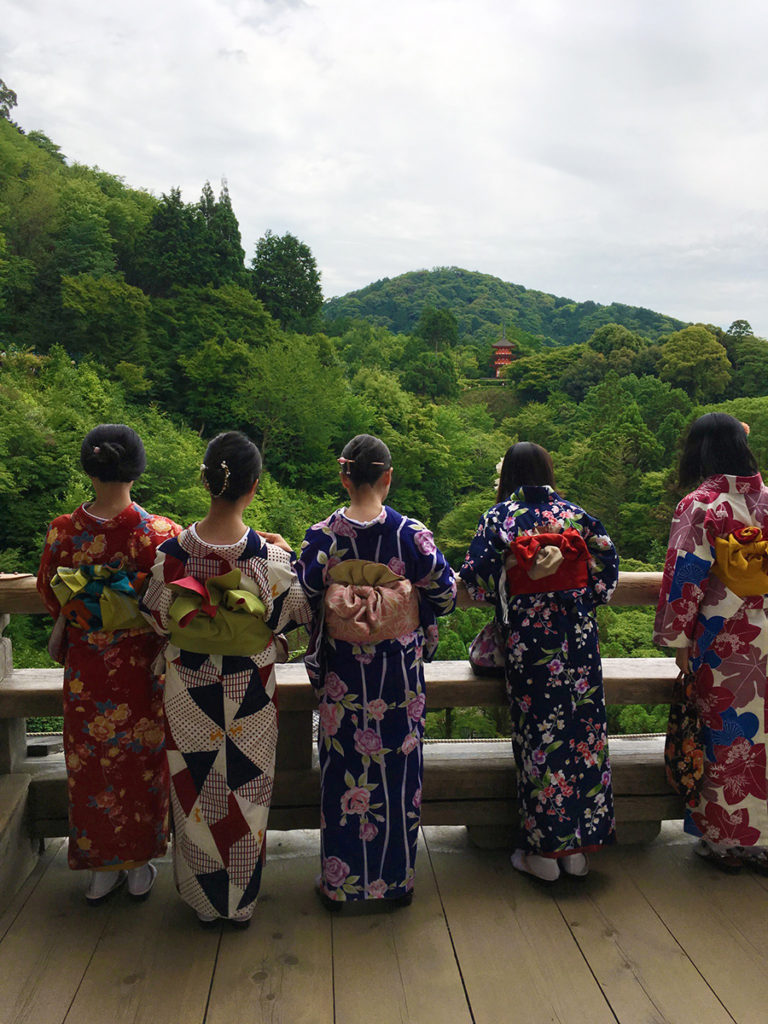
When you wear something that echoes a place or tradition — even filtered through contemporary fashion — you’re participating in a long conversation. Not appropriating, not reenacting, but acknowledging that clothes have always been a way humans remember who they are in relation to nature, power, and community.
This is why some garments feel grounding. They carry an idea of continuity. Of belonging to something older than trend cycles.
Nature, Fabric, and the Body’s Memory
Our strongest clothing memories often involve nature. Heat. Wind. Shade. Movement.
This isn’t accidental. For most of human history, clothing was designed in direct response to environment. Materials weren’t aesthetic choices; they were survival tools. Even now, the body remembers that logic, even if we live in climate-controlled interiors.
Natural fabrics, in particular, seem to activate something older in us. Linen wrinkles the way time does. Wool insulates without sealing you off. Cotton breathes. These materials respond to the world instead of resisting it.
When you wear them, especially in environments that echo where they originate, the body relaxes. There’s recognition. Alignment.
You’re not just dressed. You’re in sync.
Fiction, Archetypes, and the Clothes We Attach to Them
Some of our strongest clothing memories aren’t tied to real places at all — they come from stories.
Films, books, myths. Characters whose clothes become shorthand for entire value systems. The quiet competence of a uniform. The freedom implied by bare feet and loose layers. The resilience stitched into practical garments worn by characters who survive.
As children, we absorb these associations without questioning them. Later, they resurface unexpectedly. You find yourself drawn to silhouettes that echo strength, independence, closeness to nature — even if you couldn’t articulate why.
Clothing becomes a way of aligning yourself with the kind of story you want to live inside.
Not the fantasy version — the quieter one. The one about agency, endurance, connection.
Why This Matters Now
In periods when movement is restricted — whether by circumstance, responsibility, or global events — clothing takes on a new role. It becomes one of the few remaining tools for emotional mobility.
When you can’t go somewhere, you dress toward it.
Not in costume. Not theatrically. But with intention. A texture here. A color there. A shape that changes how you stand, how you breathe, how you relate to your surroundings.
This isn’t escapism. It’s regulation.
Psychologically, memory stabilizes us. It reminds us that the world is larger than our current frame. That we’ve been elsewhere before. That we will be again.
Clothing, quietly, helps hold that truth.
The Difference Between Remembering and Recreating
There’s a fine line here. Wearing memory isn’t about recreating the past perfectly. That rarely works. Places change. We change. Trying to replicate a feeling too precisely often breaks it.
The power lies in suggestion, not imitation.
A single piece is often enough. Something that nudges your nervous system in a familiar direction without forcing it. Something that says, you know this feeling — and then steps back.
This is why the most effective memory clothes aren’t dramatic. They’re subtle. Integrated into your real life, not separated from it.
They don’t ask you to leave the present. They simply soften it.
Getting Dressed as a Form of Listening
The older I get, the more I think getting dressed is less about expression and more about attention. Listening to what the body remembers. What it needs. What it’s trying to return to — or move away from.
Some days call for armor. Others for openness. Sometimes memory helps you choose.
Not as nostalgia. As information.
What kind of environment does your body crave today? What rhythm feels right? What version of yourself needs to be felt, not performed?
Clothes won’t answer these questions for you. But they’re very good at holding the space while you ask them.
And occasionally, without warning, they’ll answer anyway.