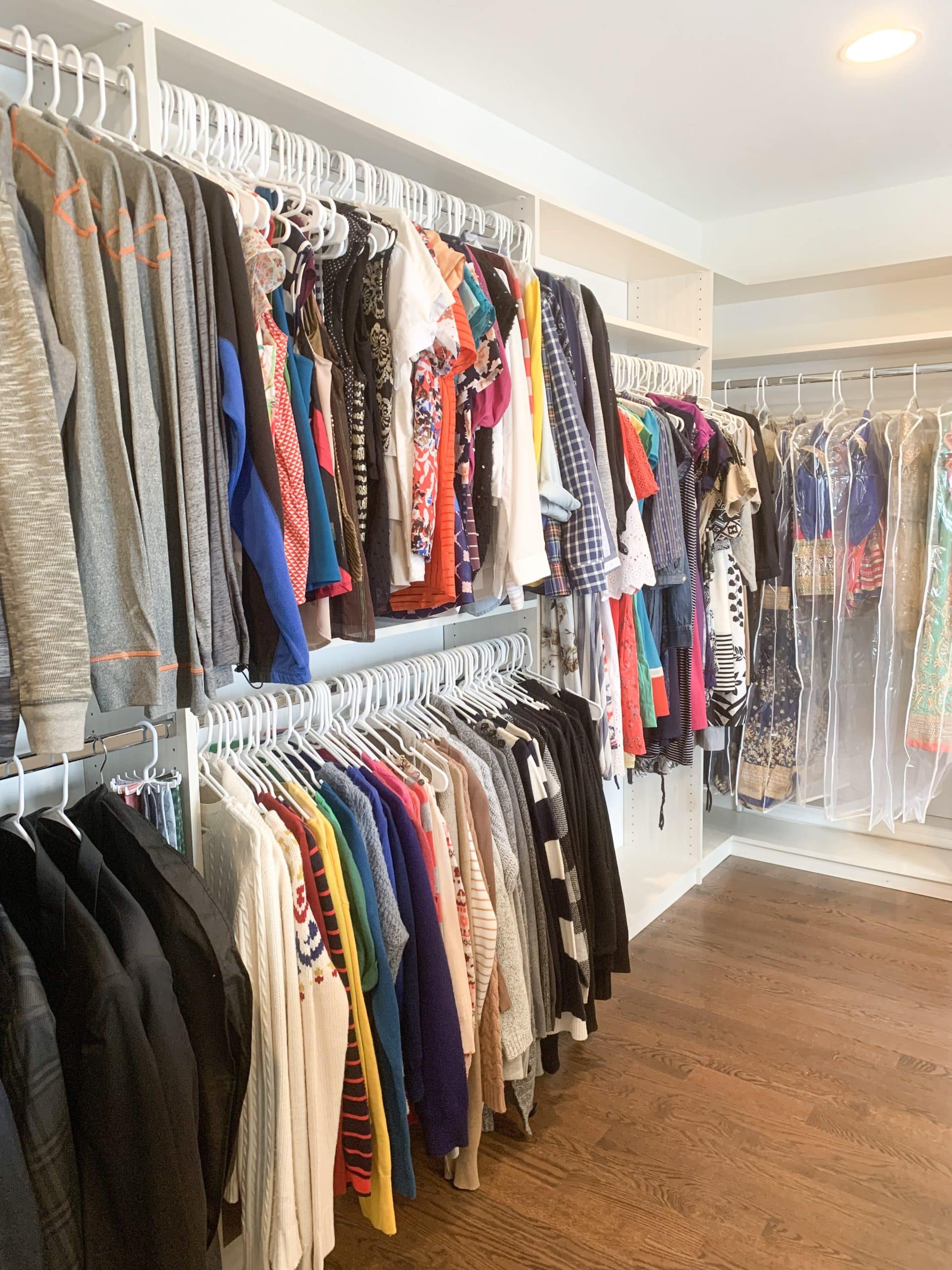
There’s a moment most people hit at some point in their style life. You open your closet, look at a row of perfectly decent clothes, and still feel like something is missing. Everything fits. Everything technically works. Yet nothing really speaks. The outfits are fine — polite, even — but they don’t feel like you.
That missing piece is rarely another neutral knit or a better white shirt. More often, it’s the absence of tension. Personality. A sense of intention that goes beyond “this goes with that.”
That’s where statement pieces quietly enter the conversation.
Not in the loud, maximalist sense they’re usually sold to us — not as “that crazy thing you wear once and regret later” — but as anchors. Clothes that hold meaning, shape mood, and subtly recalibrate everything else you own.
A good statement piece doesn’t shout. It grounds.
Why “statement” is a misleading word
The term “statement piece” has been done a disservice by trends and social media. It conjures images of impractical silhouettes, novelty colors, or items that look great online and feel awkward in real life. But in practice, most truly successful statement pieces are surprisingly wearable.
They’re the items you reach for on days when you don’t want to think too hard — because they already do some of the talking for you.
A coat that changes how you stand.
Shoes that slightly alter your posture.
A jacket that makes even your oldest jeans feel intentional again.
The key difference between a gimmick and a statement is longevity. A gimmick relies on reaction. A statement holds its ground quietly, over time.
Start with how you live, not how you want to be seen
Before thinking about aesthetics, silhouettes, or even style categories, there’s a more useful question to ask:
Where do my clothes actually go with me?
Not hypothetically. Not aspirationally. But in real life.
A statement piece that doesn’t fit into your rhythms will end up as visual clutter — admired occasionally, worn rarely, and eventually resented. This is where many closets go wrong. People buy identity instead of integration.
A piece can be bold, unusual, or emotionally charged — but it still needs a home in your routine.
Someone who walks everywhere will experience a statement shoe very differently than someone who drives.
Someone who layers daily will get more mileage out of outerwear than someone who lives in a mild climate.
Someone who works alone will wear expressive pieces with more ease than someone navigating conservative spaces.
None of this limits creativity. It sharpens it.
Statement pieces are emotional before they’re visual
Most people try to define statement pieces visually: color, cut, pattern. But the real test is emotional.
A true statement piece creates a reaction in you before it creates one in others.
It might make you feel:
- slightly more upright
- more relaxed
- more deliberate
- more protected
- more playful
- more composed
If a piece changes how you move through a day — even subtly — that’s your signal.
This is also why copying someone else’s statement item rarely works. You’re borrowing their emotional response, not generating your own.
The quiet power of contrast
Statement pieces work because they introduce contrast — but not chaos.
They interrupt sameness. They create a focal point. They shift proportions or expectations just enough to keep things interesting.
Think of contrast in these terms:
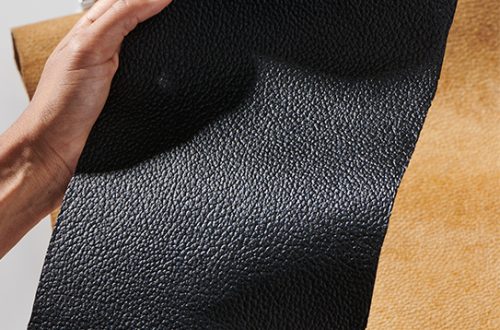
- texture against smoothness
- structure against softness
- refinement against ruggedness
- restraint against drama
A heavily textured coat over a simple outfit.
A sharply tailored jacket paired with worn-in denim.
Elegant shoes grounding an otherwise casual look.
The point isn’t excess. It’s balance.
Categories that naturally carry statement energy
Not all garments have the same expressive potential. Some categories naturally carry more weight — emotionally and visually.
Outerwear
If you invest in only one statement category, make it this. Coats and jackets frame the body, dictate silhouette, and are seen more often than almost anything else. A strong outer layer can carry an entire outfit, even when what’s underneath is intentionally plain.
Shoes
Footwear subtly controls posture, pace, and presence. Statement shoes don’t need extreme design — they need character. Shape, material, or finish often matter more than color.
Accessories with structure
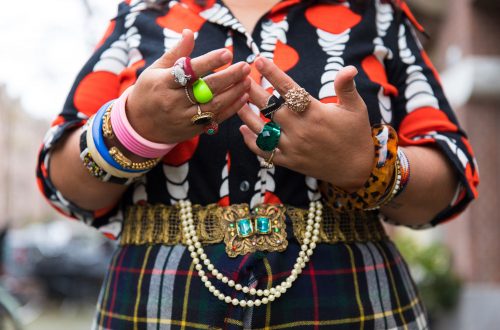
Bags, belts, eyewear, and jewelry work best as statements when they introduce form or weight. Something tactile. Something that feels considered in the hand.
Layering pieces
Cardigans, vests, overshirts, and mid-layers often become personal signatures because they’re worn close to the body and repeated often.
Why fewer statement pieces work better
There’s a common misconception that expressive wardrobes require many statement items. In reality, the opposite is usually true.
A small number of strong pieces allows everything else to orbit around them.
Too many statements competing at once create noise. A few, well-chosen ones create coherence.
Most people function best with:
- one or two outerwear statements
- one or two footwear statements
- a small rotation of expressive accessories
That’s enough to generate dozens of distinct outfits without overwhelming the closet.
Style lenses, not boxes
Style systems can be useful — not as identities, but as lenses.
Most people don’t belong to a single style category. They operate somewhere between two or three tendencies, shifting with mood, season, and context.
For example:
- Someone primarily drawn to natural ease may crave one dramatic or structured piece to avoid feeling underwhelming.
- Someone with classic instincts may rely on texture or proportion for expression rather than color.
- Someone creative may benefit from anchoring statements that bring consistency to experimentation.
The goal isn’t to “dress your category.” It’s to understand where contrast will feel most satisfying.
When statement pieces fail (and why)
Even thoughtfully chosen pieces can miss the mark. When they do, it’s rarely because they’re “too much.” It’s usually because they’re misaligned.
Common failure points:
- The piece demands a lifestyle you don’t actually have
- It requires constant styling effort to feel right
- It competes with everything else you own
- You like it conceptually, but not emotionally
- You’re protecting it instead of enjoying it
A statement piece should feel like permission, not obligation.
The role of repetition
Here’s a quiet truth about style that often gets overlooked: repetition builds identity.
Wearing the same statement piece again and again doesn’t dilute its power — it strengthens it. Over time, it becomes associated with you, not with novelty.
This is why personal style icons are recognizable even in simple outfits. Their statements aren’t loud — they’re consistent.
If you find yourself “saving” a piece for special occasions, it may not truly belong in your core wardrobe.
Cultural context matters more than trends
Trends tell you what’s visible. Culture tells you what resonates.
Some statement pieces feel timeless because they’re rooted in cultural narratives — workwear, heritage tailoring, subcultures, regional dress, craftsmanship. Others fade quickly because they exist only within trend cycles.
When choosing a statement piece, it helps to ask:
- What story does this come from?
- Does that story feel relevant to my life?
- Will it still make sense when trends shift?
Pieces with cultural grounding tend to age with more grace — and require less explanation.
Let the closet evolve, not crystallize
A perfect closet isn’t a finished product. It’s a living system.
Statement pieces especially should be allowed to change. What felt right five years ago may feel restrictive now. That’s not failure — it’s movement.
As your life shifts, so will the kinds of statements you want to make. The goal isn’t to lock yourself into an image, but to stay responsive to who you’re becoming.
Sometimes the most powerful style move is letting go of a statement that no longer speaks — even if it once did.
The final check
Before committing to a statement piece, imagine this:
It’s a normal day.
Nothing special is happening.
You put the piece on anyway.
If that idea feels exciting rather than performative — you’re on the right track.
Because the best statement pieces don’t announce themselves.
They simply feel inevitable, once they’re yours.