I have always found sustainable shoes strangely elusive.
Secondhand stores? Full of blouses, denim, forgotten handbags. But shoes — good shoes — rarely appear in my size, and when they do, they often carry the unmistakable imprint of someone else’s gait. There is something intimate about footwear. It molds to you. It remembers your weight.
And because I try to live a mostly plant-based life, buying new leather has never sat comfortably with me. Leather is durable, yes. Beautiful, yes. But it is also inseparable from animal agriculture — from an industry whose environmental footprint is anything but romantic.
So for years, I lingered in that uncomfortable space between principle and practicality.
Then came vegan leather.
And with it, a new problem.

The Plastic Disappointment
Most vegan leather shoes I have tried felt like compromise dressed up as progress. They looked fine at first glance. Smooth. Polished. Ethical, supposedly.
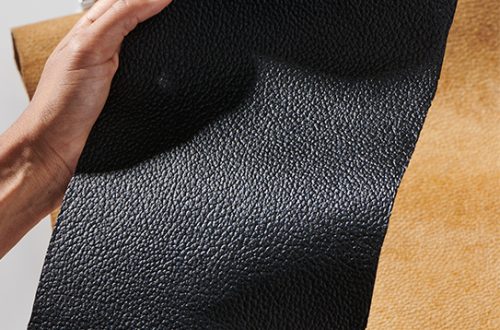
But the moment I bent the sole or ran my fingers across the surface, the illusion thinned. Many of these materials are essentially plastic — polyurethane, PVC — fossil-fuel derivatives shaped to mimic hide.
They do not age gracefully. They crack. They peel. They whisper their artificiality after only a season.
And environmentally? Plastic-based “vegan leather” is hardly the solution we want it to be. It avoids animal use, yes, but often relies on petroleum and does not biodegrade. It shifts the problem rather than resolving it.
So when I heard about sneakers made out of apples, I was curious in a way that felt almost childlike.
Apples.
The fruit of orchards, of autumn baskets, of school lunches.
How do they become shoes?
From Orchard Waste to Upper Material
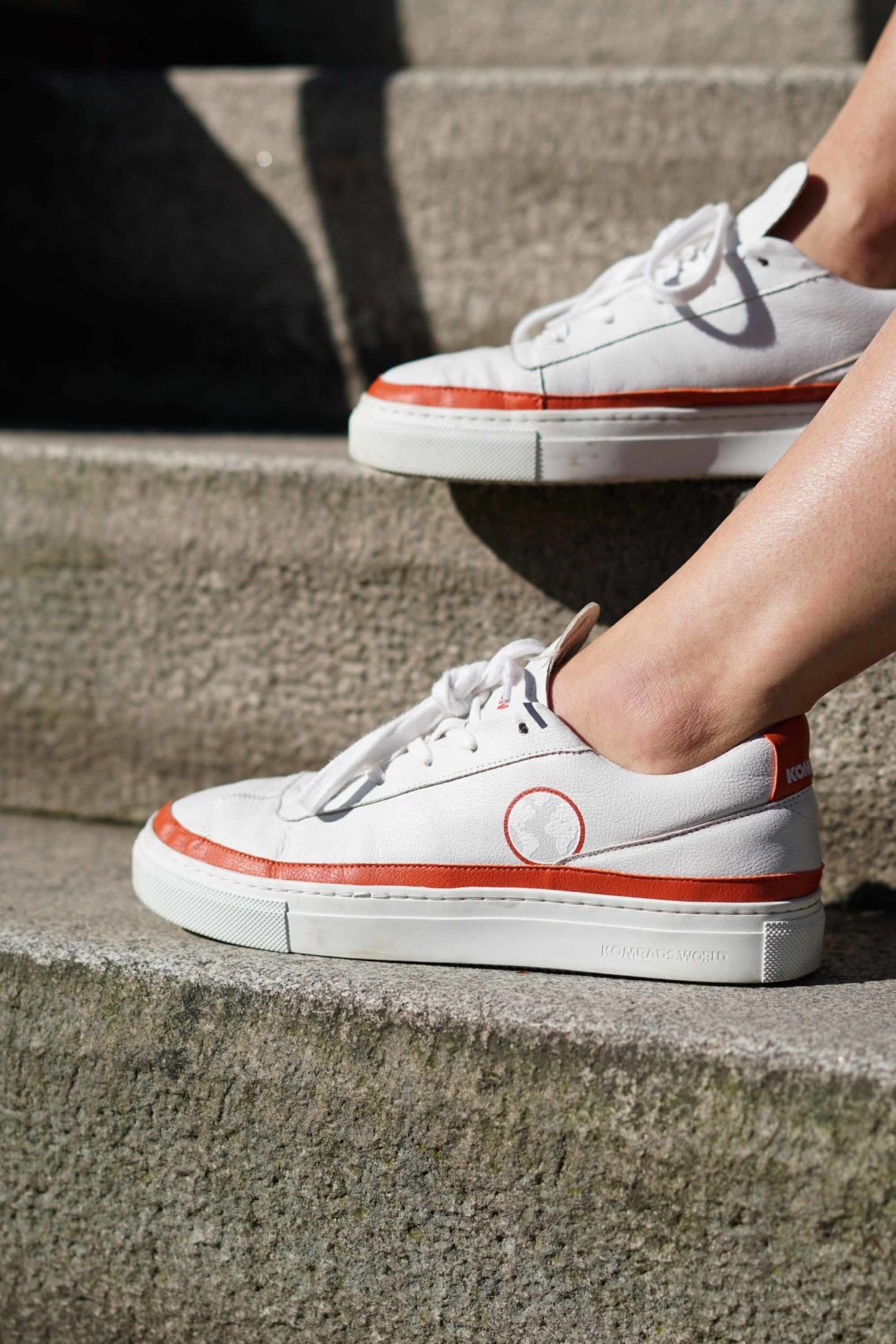
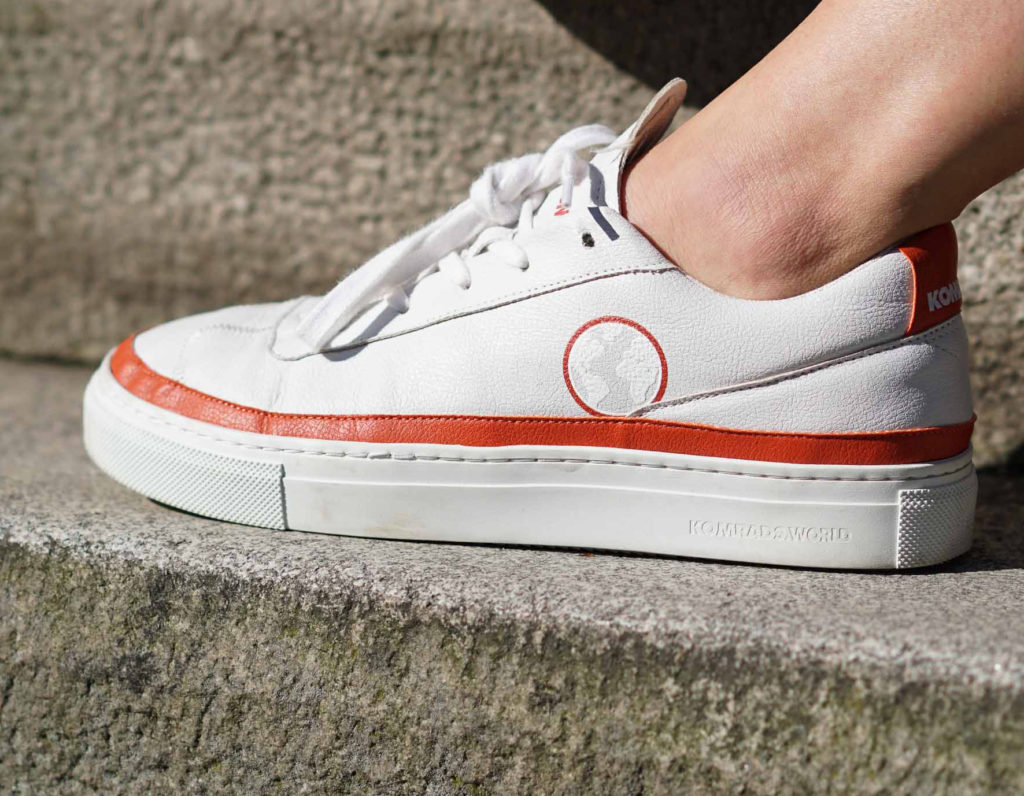
The sneakers I found — made by Komrads, a European brand — use something called apple leather for the upper. It is created from the waste of apple juice production: peels, cores, pulp left behind after pressing.
Instead of discarding that organic residue, it is dried, ground into powder, and combined with a binding material to create a flexible, leather-like sheet.
The poetic part of me loves this immediately: waste transformed into surface. What was once discarded becoming something you walk in daily.
The analytical part of me asks harder questions.
What is the binding agent?
How durable is the final product?
Is this truly circular, or just creatively repackaged?
Sustainable innovation often lives in this tension — between story and substance.
But there is something undeniably compelling about reducing reliance on virgin raw materials. The idea that we do not have to harvest new natural commodities — whether animal skins or petroleum — to create functional footwear.
In the case of these sneakers, the upper is 100% apple-based leather alternative. Other components incorporate recycled cotton, recycled rubber, reused carbon, and fibers from recycled plastic bottles.
It is not purity. It is assemblage.
And perhaps assemblage is the more honest model of sustainability: building from what already exists.
Europe, Proximity, and Labor
Another element that caught my attention was production geography.
The raw materials come from Italy and Spain. Manufacturing happens in Portugal. For a European brand, this relative proximity reduces transportation distances compared to globalized supply chains stretching across continents.
But beyond carbon miles, there is the question of labor.
Fast fashion has trained us to dissociate price from process. We rarely see the hands that stitch our seams. Producing within Europe — under stricter labor regulations and transparency — signals an attempt to align environmental responsibility with social responsibility.
Because sustainability without fairness is incomplete.
The phrase “respect for people and planet” can sound like marketing language. It often is. But when production is traceable and localized, that respect becomes more tangible.
And tangibility matters.
Wearing Apples for Nine Months
I have been wearing my apple sneakers for about nine months now.
That duration feels important to mention.
Sustainability claims cannot be evaluated in the first week. The true test is endurance. Do they soften? Do they crease? Do they split at stress points?
What surprised me most was how convincingly they mimic the resilience of traditional leather. The material has a density to it. A firmness that does not feel flimsy. It does not scream “alternative.” It simply feels like a well-constructed sneaker.
They have become my default spring and summer pair.
Baggy jeans? Works.
Loose linen trousers? Works.
A cotton dress on a warm evening? Also works.
There is something satisfying about wearing shoes that carry a quiet narrative. No one looks at them and thinks, “Ah yes, orchard waste.” But I know.
And that knowledge changes my relationship to them.
The Cultural Shift Toward Bio-Materials
Apple leather is part of a broader movement toward bio-based materials in fashion. Pineapple fibers. Mushroom mycelium. Cactus leather. Grape skins from wine production.
These innovations signal an attempt to decouple fashion from extractive industries.
For centuries, leather was synonymous with durability and status. It symbolized craft, longevity, sometimes luxury. But it also required livestock farming, tanning processes heavy in chemicals, and significant water use.
Synthetic alternatives emerged in the 20th century as technological triumphs — but they tethered fashion to petrochemicals.
Now, we stand in a transitional moment. Designers and material scientists collaborate. Agricultural waste becomes feedstock. Laboratories experiment with fungi structures that resemble animal hide.
It feels almost Renaissance-like — a merging of art, science, and necessity.
But innovation alone does not guarantee transformation. Scale remains a challenge. Cost remains a barrier. Consumer education remains uneven.
Apple leather sneakers are not yet the norm. They are still niche enough to feel like discovery.
The Question of Impact
I am careful not to romanticize.
Apple leather still requires processing. It still uses binders. It still exists within a consumer economy that produces more than it needs.
The soles contain recycled rubber and reused carbon — commendable, but not impact-free. The lining may incorporate recycled plastic, but plastic nonetheless.
Absolute purity is rare in industrial design.
What matters, perhaps, is direction.
Are we moving toward systems that valorize waste streams? Are we reducing reliance on virgin inputs? Are we shortening supply chains? Are we ensuring fair labor conditions?
In these sneakers, I see an attempt — imperfect, but sincere.
And sincerity counts for something in an industry often accused of greenwashing.
The Emotional Dimension of Ethical Shoes
There is also an emotional layer I did not anticipate.
For years, every time I purchased leather shoes, I felt a small internal friction. Not dramatic. Just a quiet dissonance between lifestyle and choice.
With these apple sneakers, that friction softens.
I am not under the illusion that one pair of shoes solves systemic problems. But the alignment between material and value feels steadier.
We underestimate how much daily objects shape our ethical self-perception.
Shoes carry us through routines. To work. To grocery stores. Through parks. They are companions in movement.
Knowing mine are built from reclaimed apple waste makes each step feel slightly lighter — metaphorically, if not physically.
Durability as the Ultimate Test
Sustainable footwear must withstand repetition. If a shoe made from bio-based materials fails after one season, its ecological narrative collapses.
So far, mine have endured. The stitching remains intact. The upper has not cracked. The sole has not detached.
Time will continue to test them.
But durability is where many ethical products falter — not because innovation is flawed, but because consumers are conditioned to expect disposability at low cost.
True sustainability often demands higher upfront investment and longer commitment.
And perhaps that is the real shift required: from novelty to longevity.
Walking Forward
When I first slipped them on, I laughed at the thought that I was literally walking on apples.
There is something poetic about it.
Fruit transformed into footwear. Orchard remnants supporting urban steps.
But beyond poetry lies pragmatism.
If we are to reduce fashion’s environmental impact, we must rethink materials fundamentally. We must valorize waste. We must shorten supply chains. We must align production with fairness.
Apple leather sneakers do not revolutionize the system overnight.
But they point toward a future where waste is not an endpoint, but a beginning.
And for someone who has long struggled to find shoes that feel ethically coherent, that direction feels promising.
I would love to hear other experiences with plant-based footwear. Which materials have surprised you? Which brands have disappointed you? What has lasted — truly lasted — beyond the honeymoon phase?
Because in the end, sustainable style is not about one miraculous product.
It is about continuous recalibration.
Step by step.